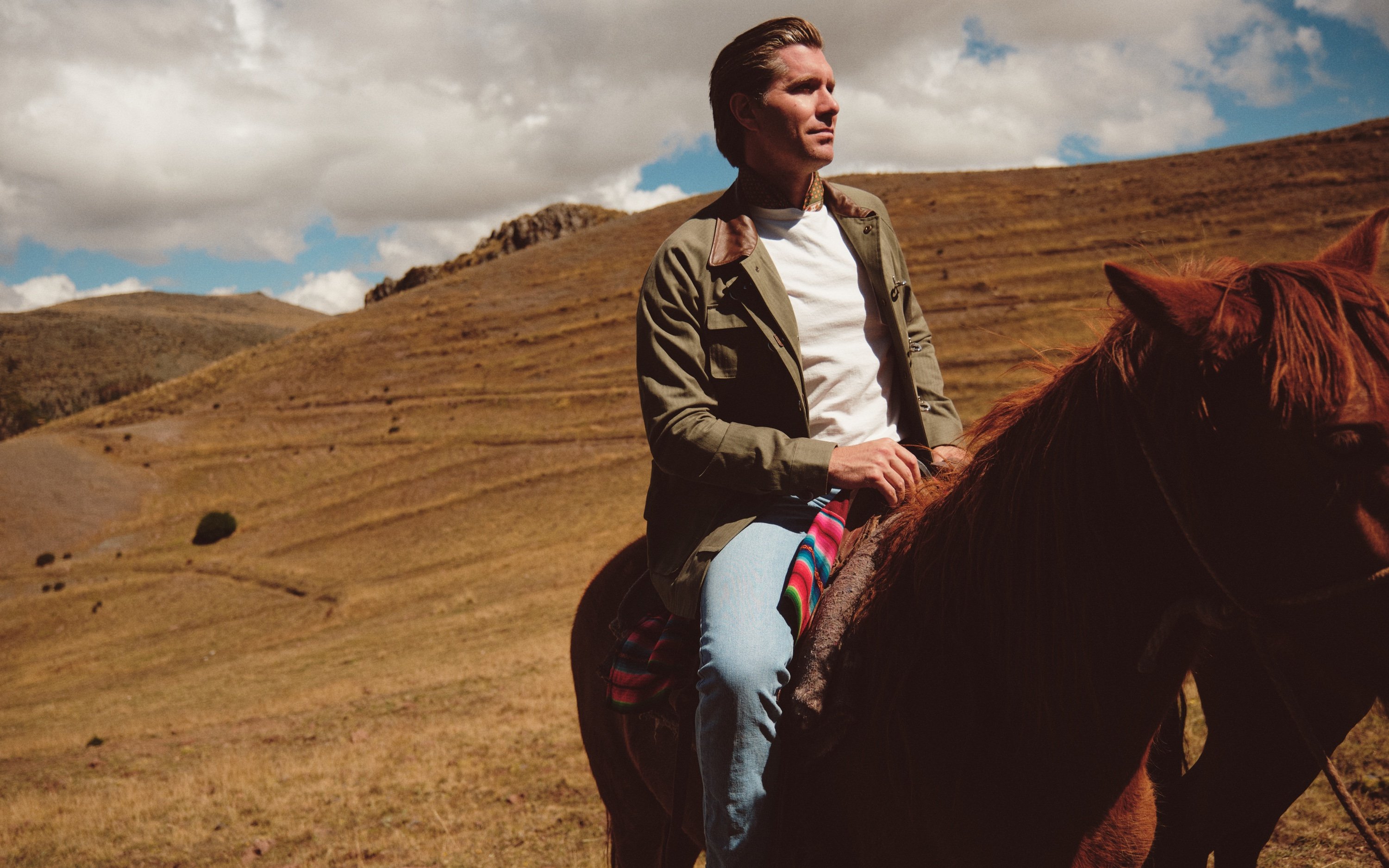
The Hard Way Is the Point
Ryan Quinlan built his menswear brand Arc & Iveagh on one rule: go where each collection comes from.
Interviewed on the 16.11.2026
Discover Arc & IveaghWhat makes a story real? For a clothing brand it is an awkward question. A jacket can be photographed anywhere. A campaign can borrow a mountain nobody on the crew has ever climbed, and most customers would never know the difference.
Ryan Quinlan could tell. In its first year, his menswear label Arc & Iveagh made a capsule themed on the British Isles and shot it nowhere near Britain. Budget, timing and risk all argued against the trip. "It came out well but something felt like it was missing," he says. "Hollow is the best word."
So he gave the brand a rule: from now on, no matter how far, we go. For The Andean Passage Collection, their line for this autumn and winter, the rule sent him to the Andes twice. The first time, he walked an Inca trail toward 14,000 feet. The second time, he never made it past the airport.
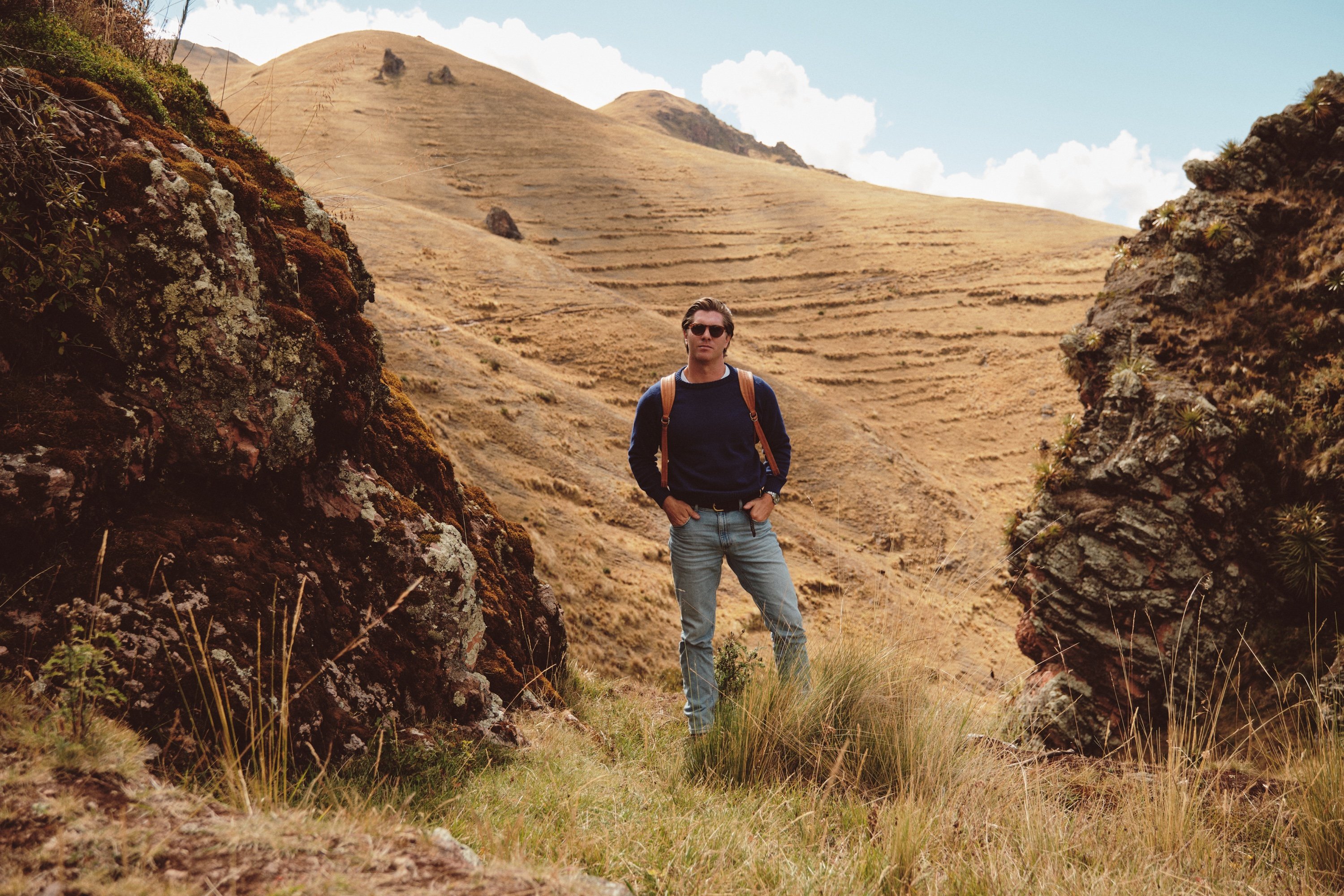
Quinlan had travelled to more than 50 countries before the brand existed, "sometimes for work, sometimes for vacation, but always for the love of it." For him, it is about the people: the markets, the conversations with strangers in cafés, the meals shared without a common language. He built the brand around that. Many of the fabrics are sourced from or inspired by the region behind each collection, and local artisans help create select pieces. "We want the place to be quite literally woven into the garments," he says, "so it's never just a story built from a mood board."
He puts the standard simply: "If the brand exists to pull people toward the world, I can't stage a world."
A region has to pass three tests. It must be defined by adventure and exploration. It must be a textile capital. And it must be able to test the clothes. The Andes passed all three.
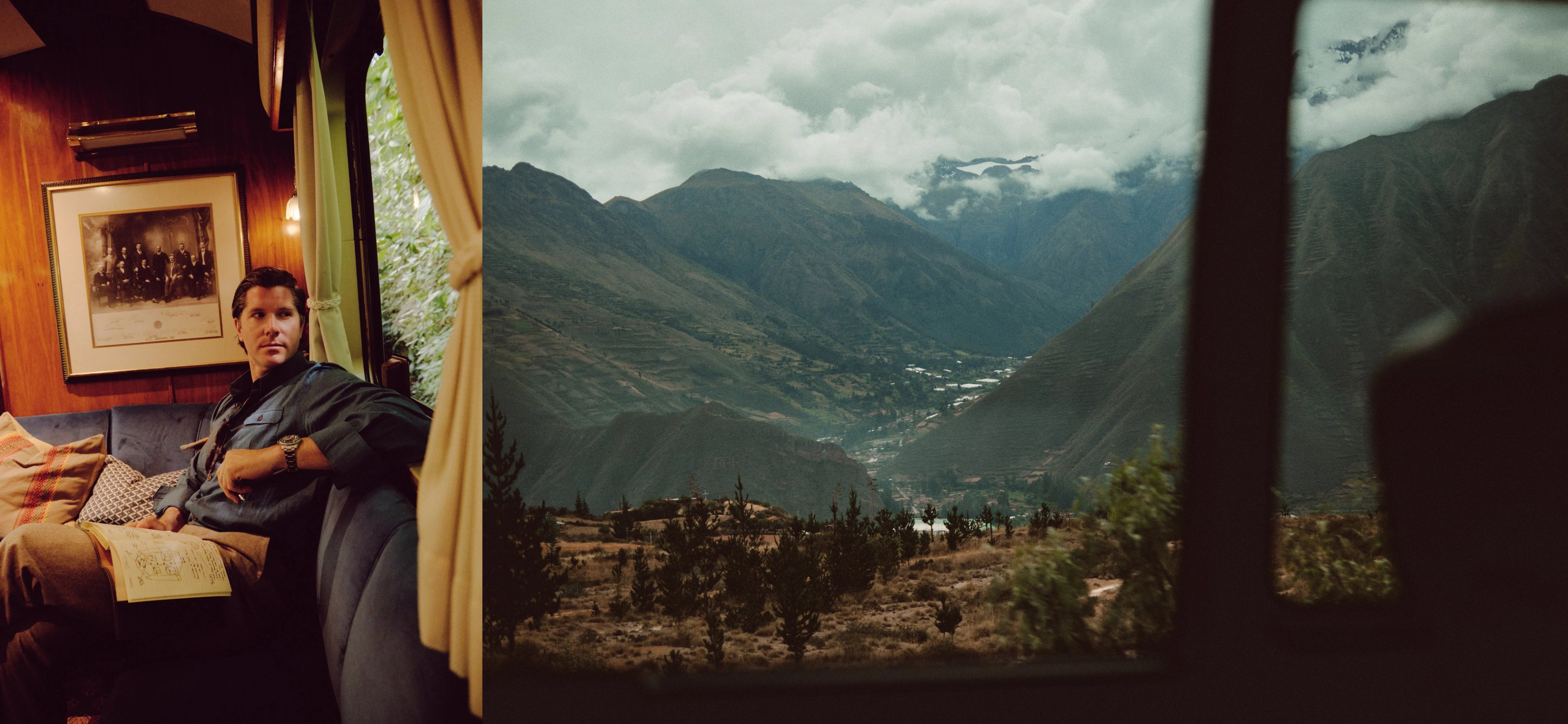
Peru: At the Mountain's Pace
Peru came first, from 13 to 20 June 2026, as a scouting trip. "We stand where the collection comes from, we breathe the air, we smell the markets," he says, and "we let that place push back and ultimately shape our entire collection."
He flew roughly 3,500 miles to Lima, where the collection's knitwear is made at sea level. Each cardigan is knitted by hand by a single artisan, roughly 250 hours of work. Textiles have deep roots there: under the Inca, the finest cloth was prized above gold and silver. Then he went up, into the Sacred Valley.
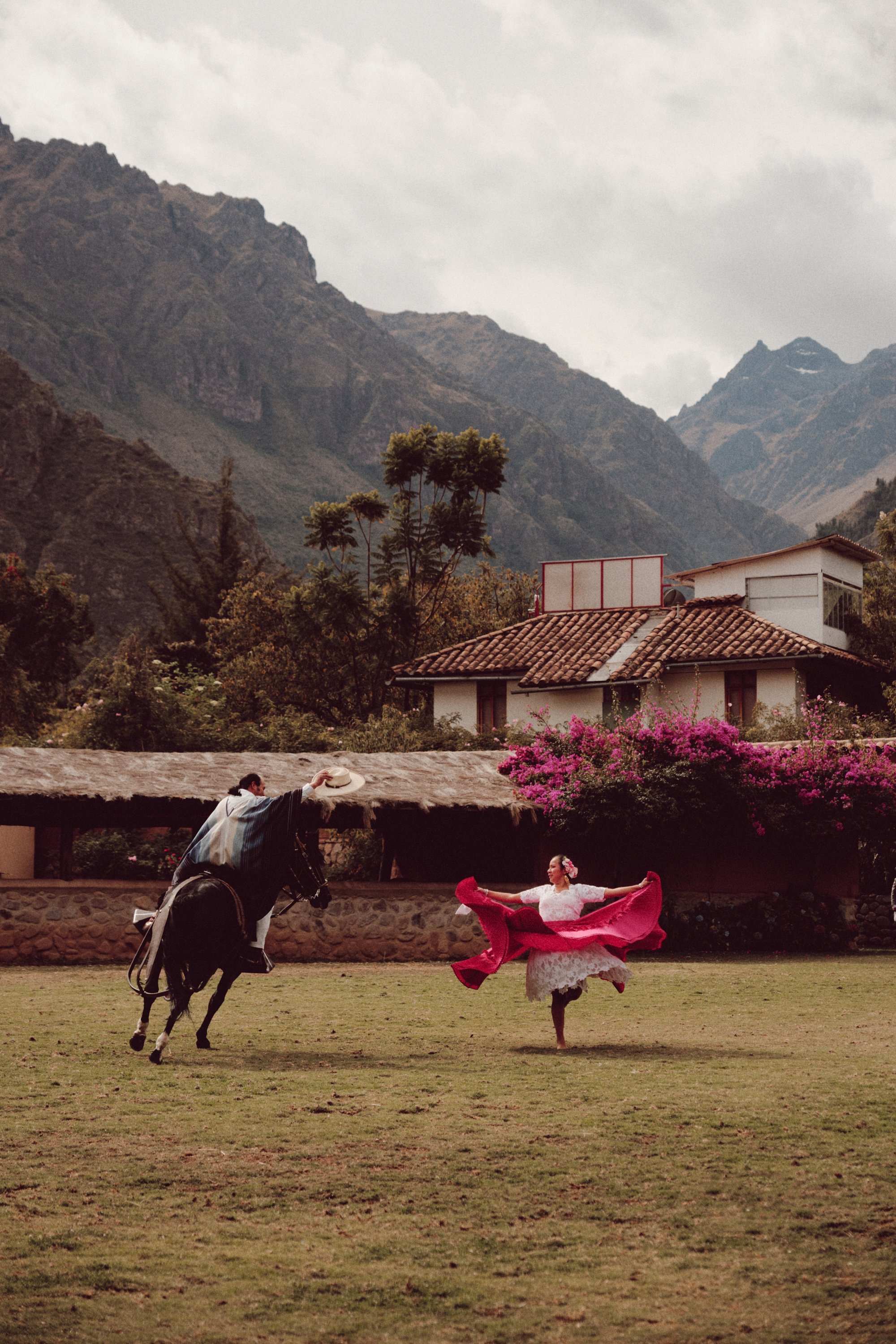
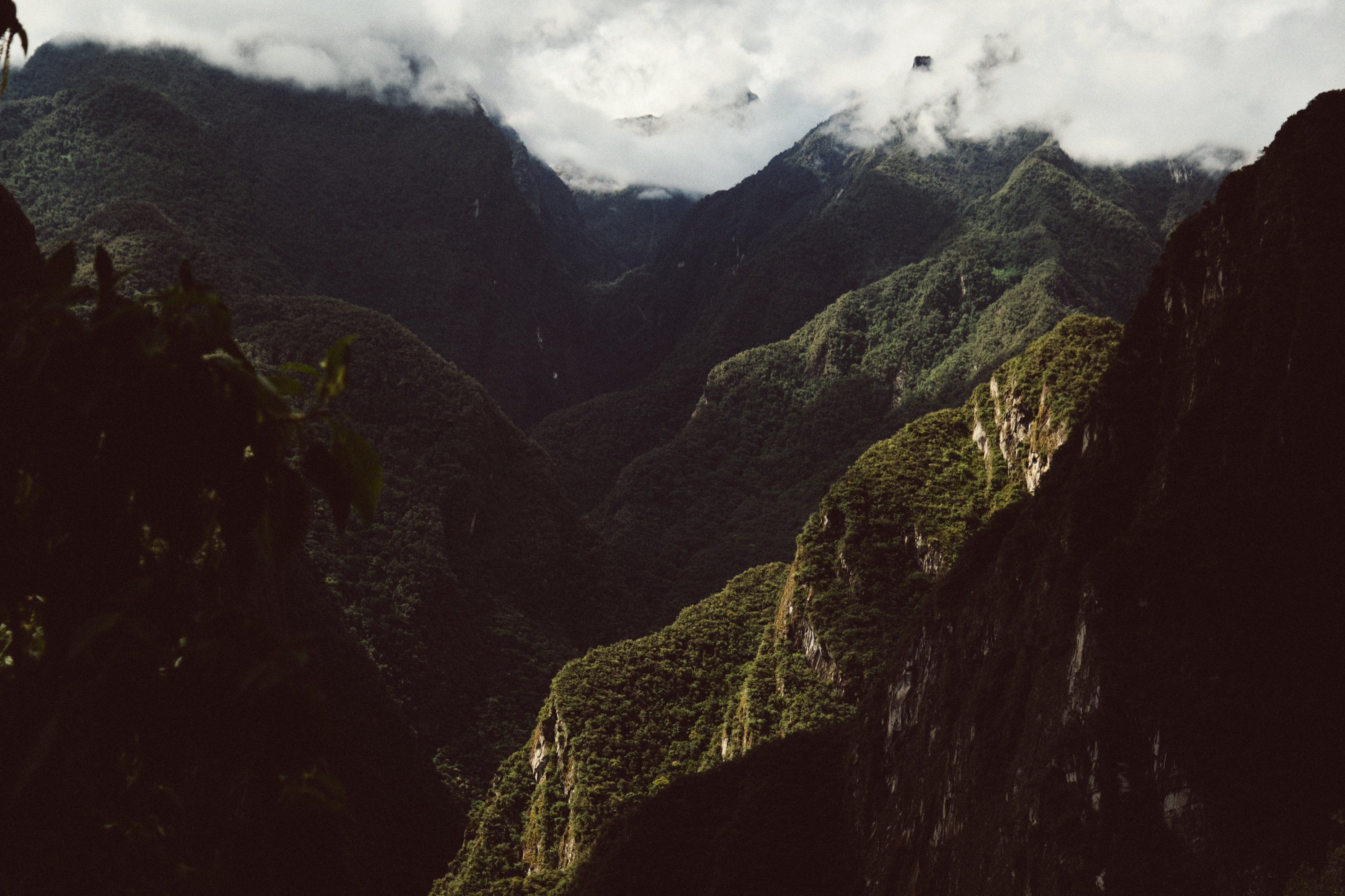
The goal was Huchuy Qosqo, Quechua for "little Cusco", the remains of a royal Inca estate high above the valley. Quinlan rode two hours on horseback with local guides, on paths inches wide beside 3,000 foot drops, until the horses could go no further, at about 10,000 feet. From there the group went on foot, over handmade wooden bridges and up the old Inca trail, toward 14,000 feet by his estimate. His lungs felt half their size, and the headache and nausea were "worse than most of the hangovers in my life." Life up there, he was told, moves at mountain pace. "At the time I had no idea what that meant, but I can tell you now, nobody hurries at 14,000 feet." He slowed down and drank muña, an Andean mint traditionally taken as a tea against the altitude. "I'd imagined conquering the landscape. Instead, it slowed me to its speed."
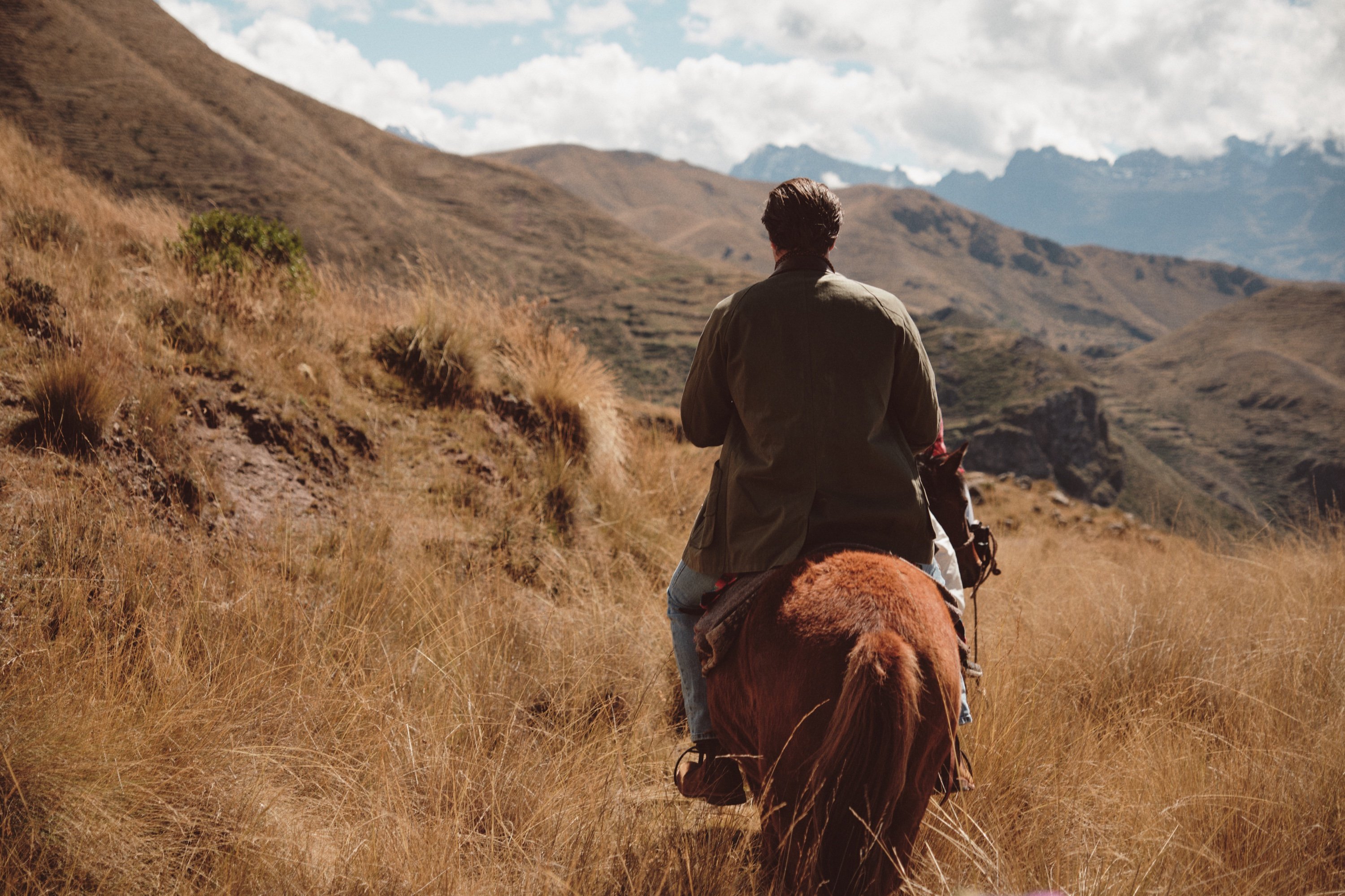
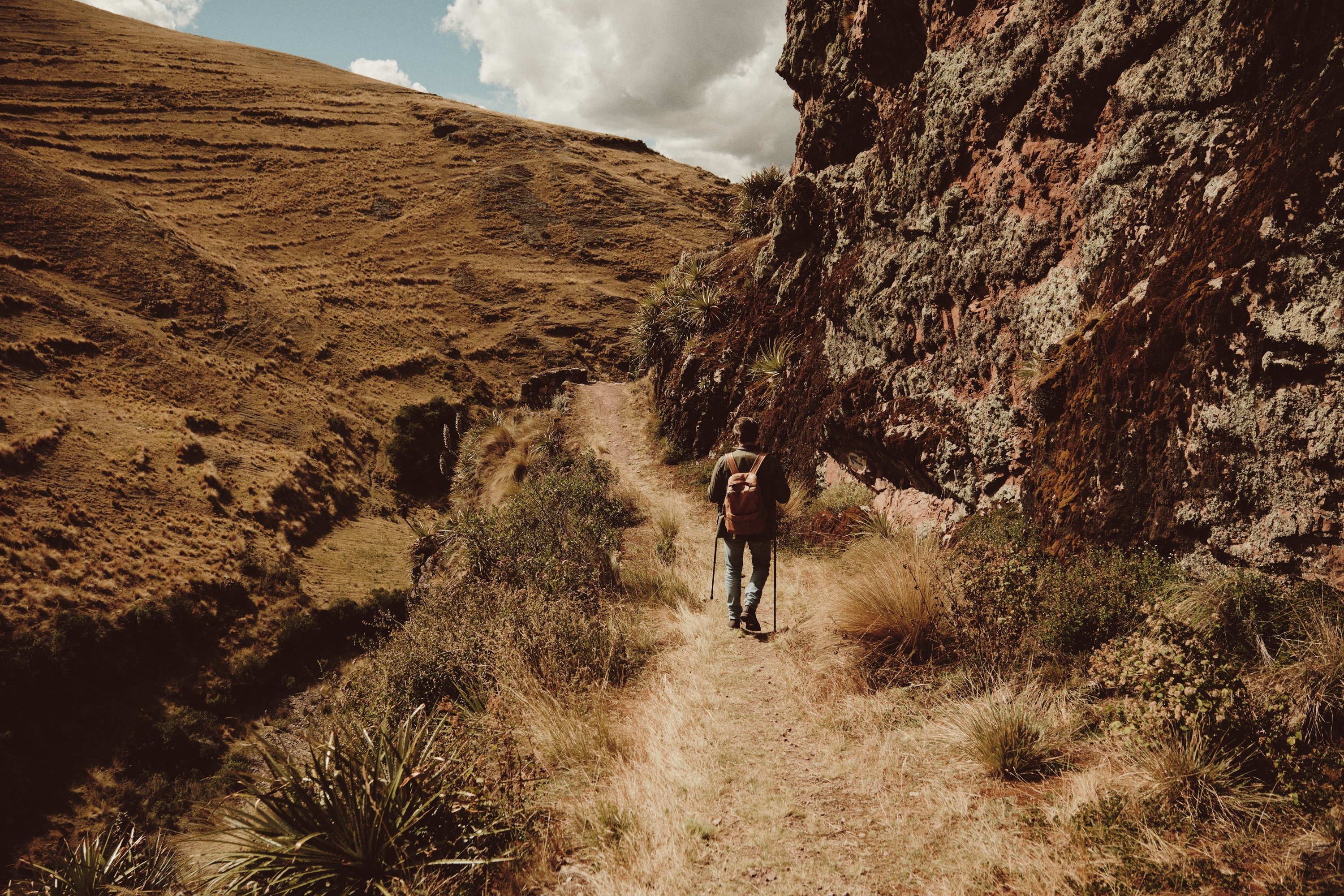
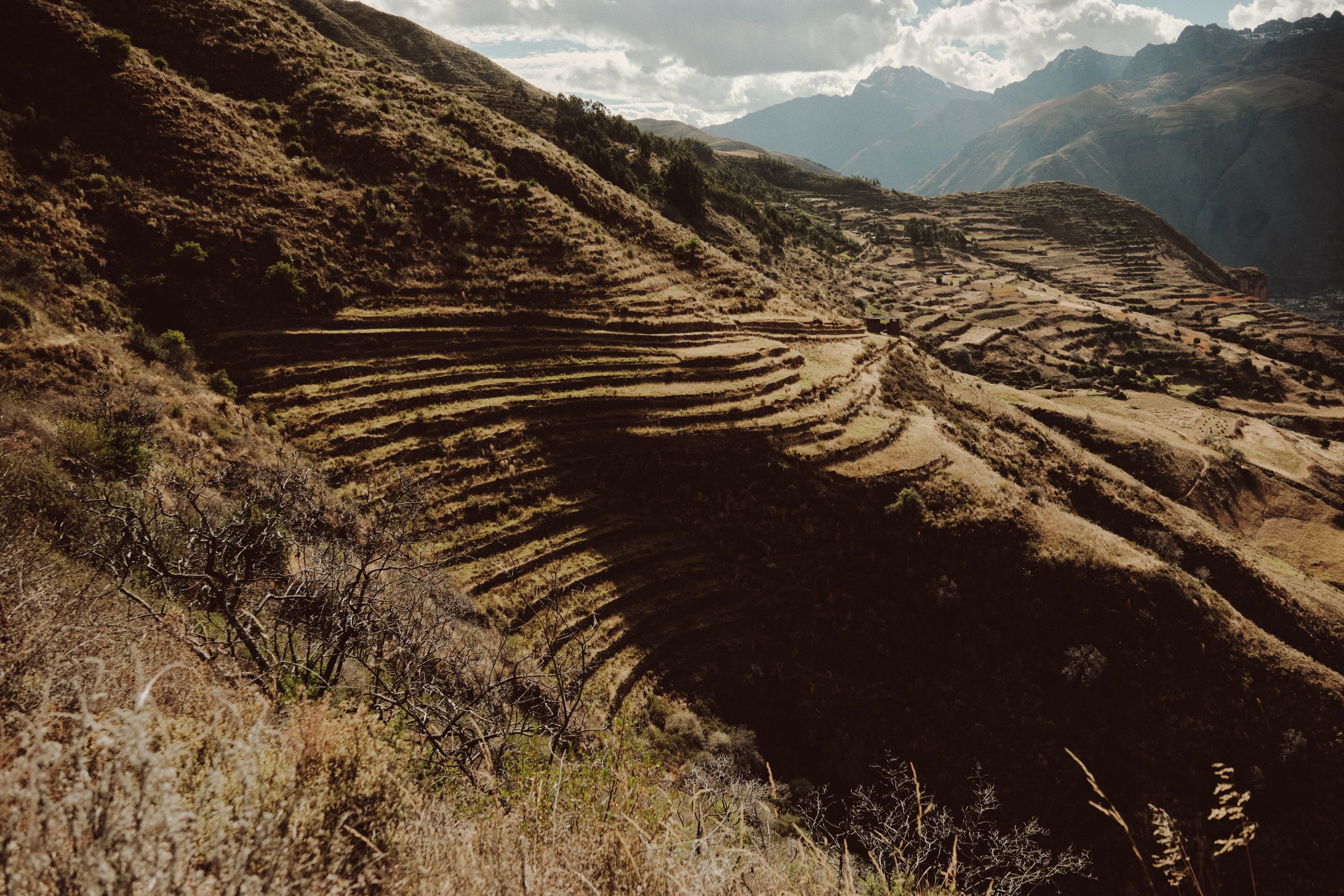
Then the trail wrapped around the mountain, and around the bend the stone gates of Huchuy Qosqo appeared: a royal estate some six centuries old, and completely empty. "You expect the Andes to be dramatic, and they are," he says, "but I didn't expect the quiet." Machu Picchu admits up to 5,600 visitors a day in high season; Huchuy Qosqo, by his account, gets a few people a week. "The silence has weight."
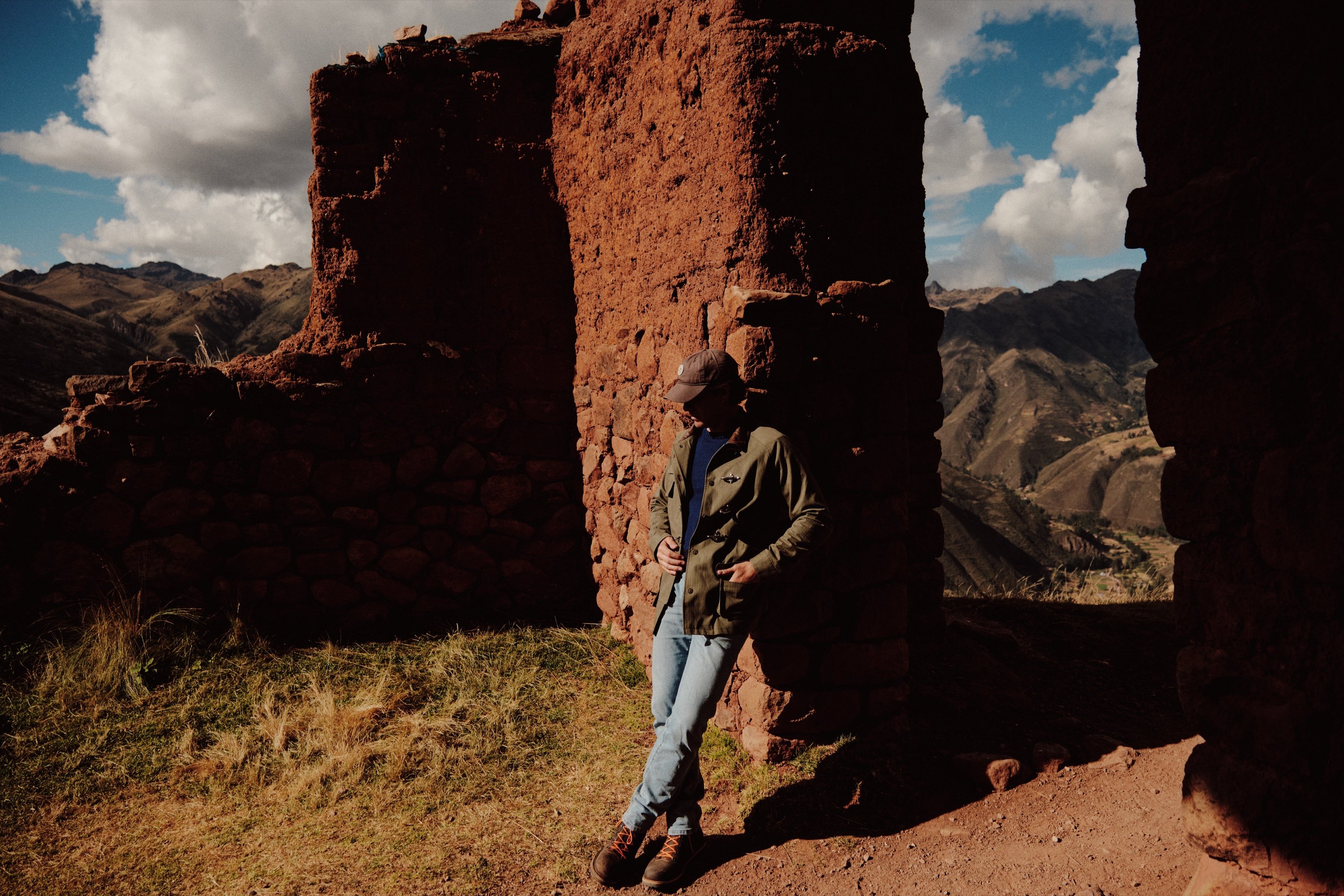
From the ruins the group came back down into the valley for the night, and from Ollantaytambo he took the train to Machu Picchu. At 5:30 one morning, two days before the June solstice, he stood there among about a dozen people waiting in the dark. The sun came through a V-shaped crevice and the light landed on the citadel below. "Nobody was scouting anything in that moment. Nobody was working." It felt like being let in on a secret six hundred years in the making.
Would he have gone without a collection to justify it? "For sure. The collection was more the excuse, not the reason."
The Next Adventure Awaits
Join The Dust Report, our adventure newsletter. Stay up to date with travel stories from the world of adventure, in your inbox every other week.
Peru was the Andes remembered: ruins, silence, a civilisation long gone. On the other side of the range, at the foot of the Argentine Andes, the story was still being lived, by gauchos working the estancias on horseback. "One mountain range," he says, "two completely different relationships with the land." That side is where the brand went to film: a short film and a campaign built around that life, the kind of adventure the collection was made for.
Argentina: Keep Going
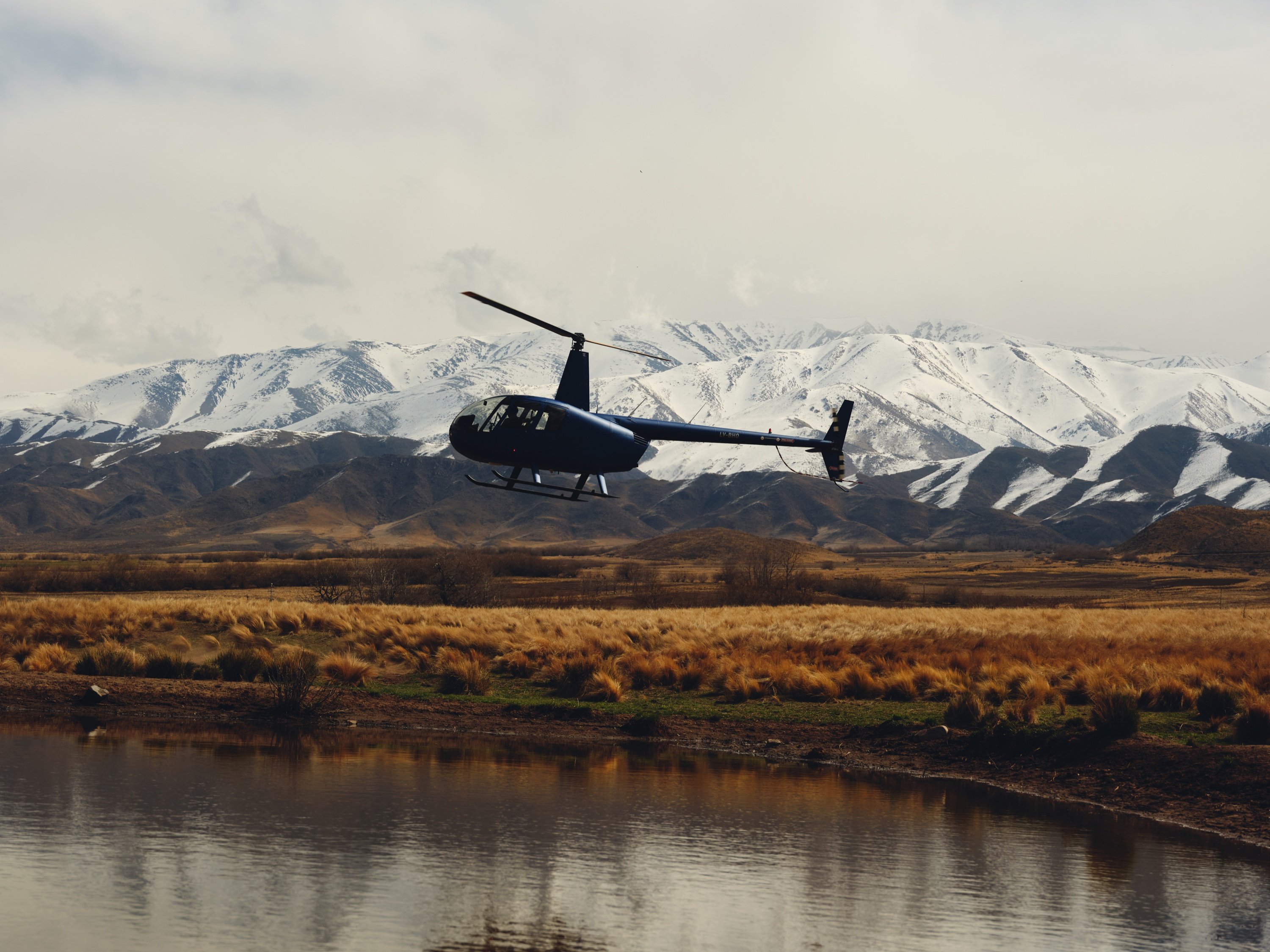
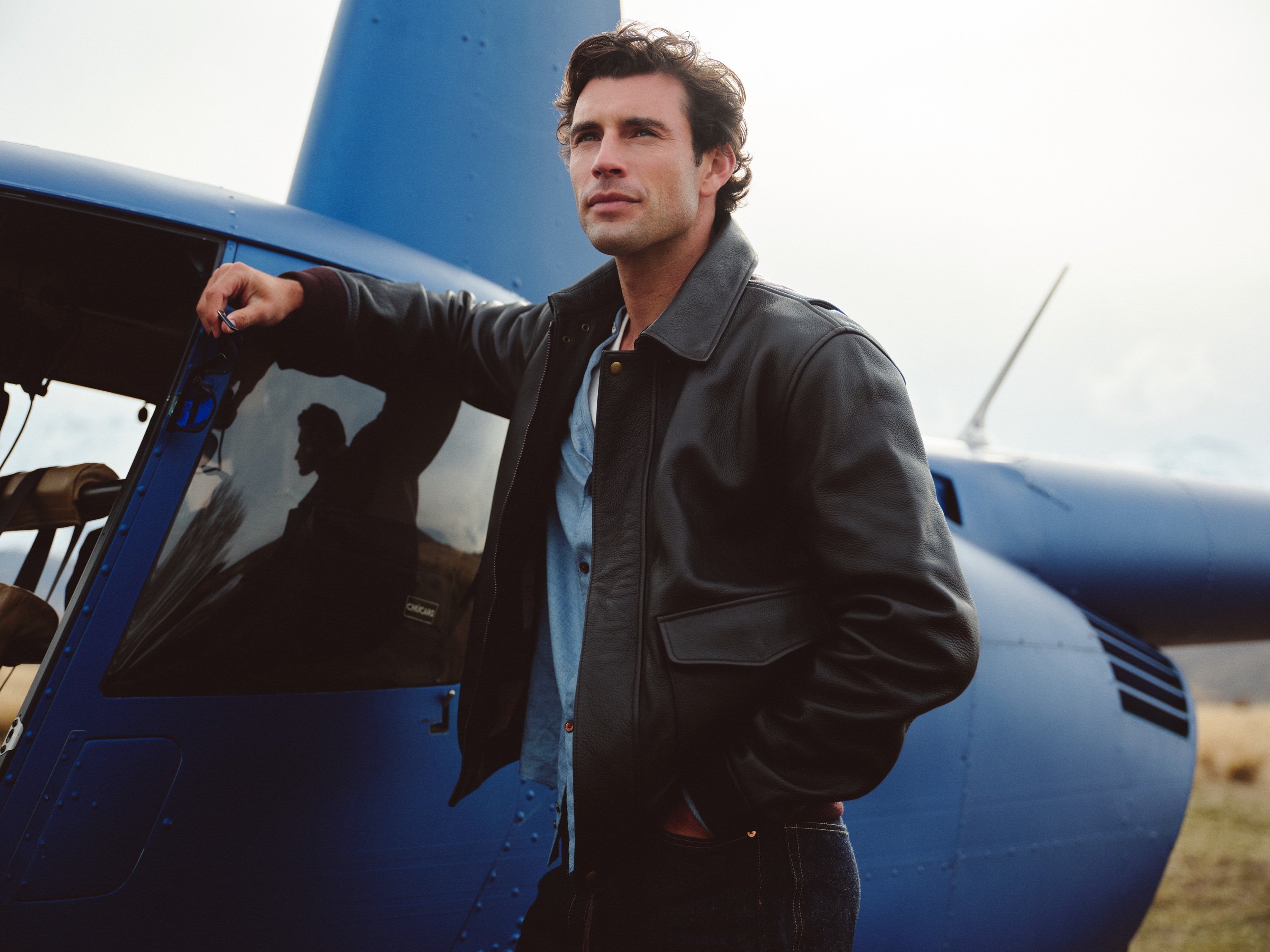
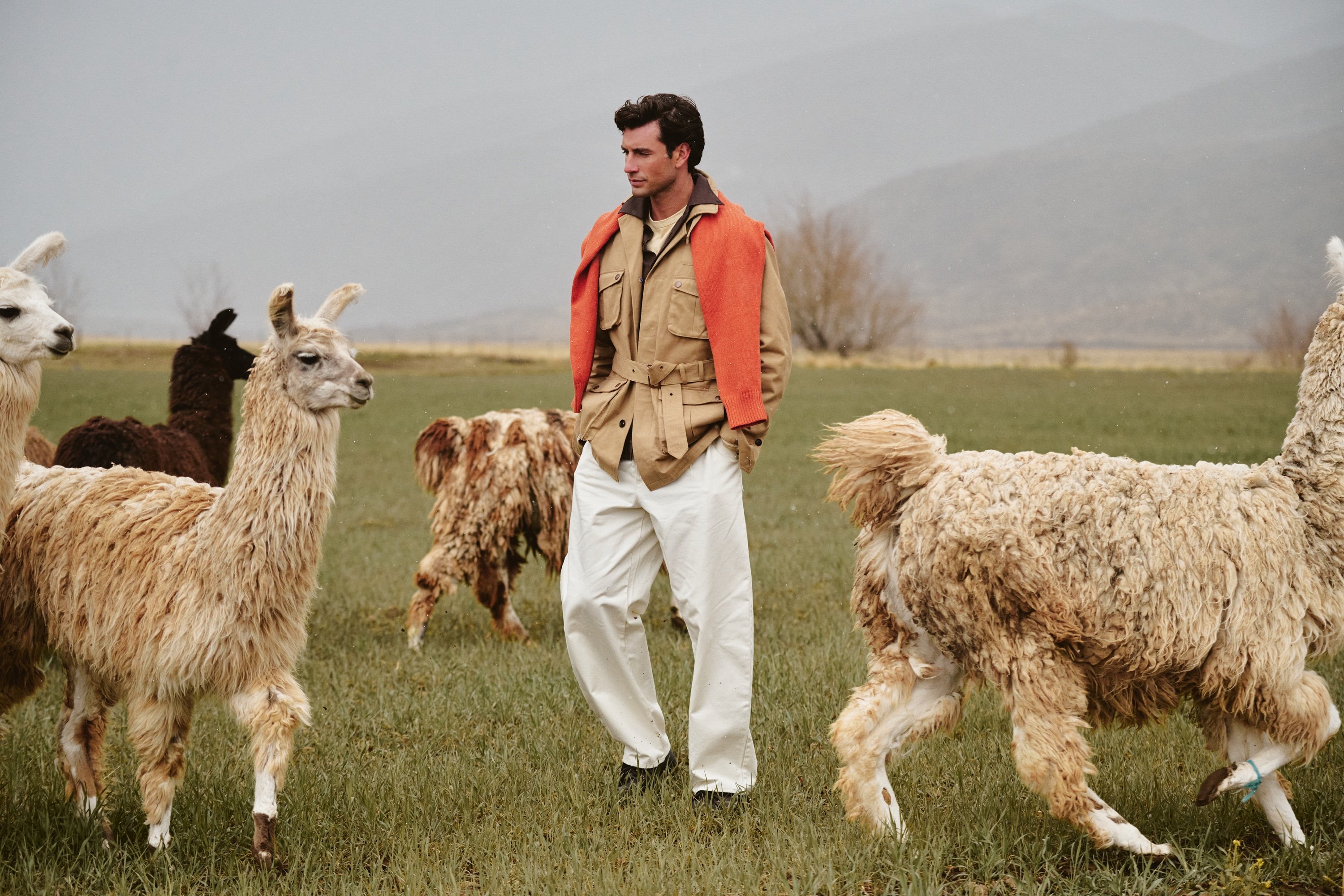
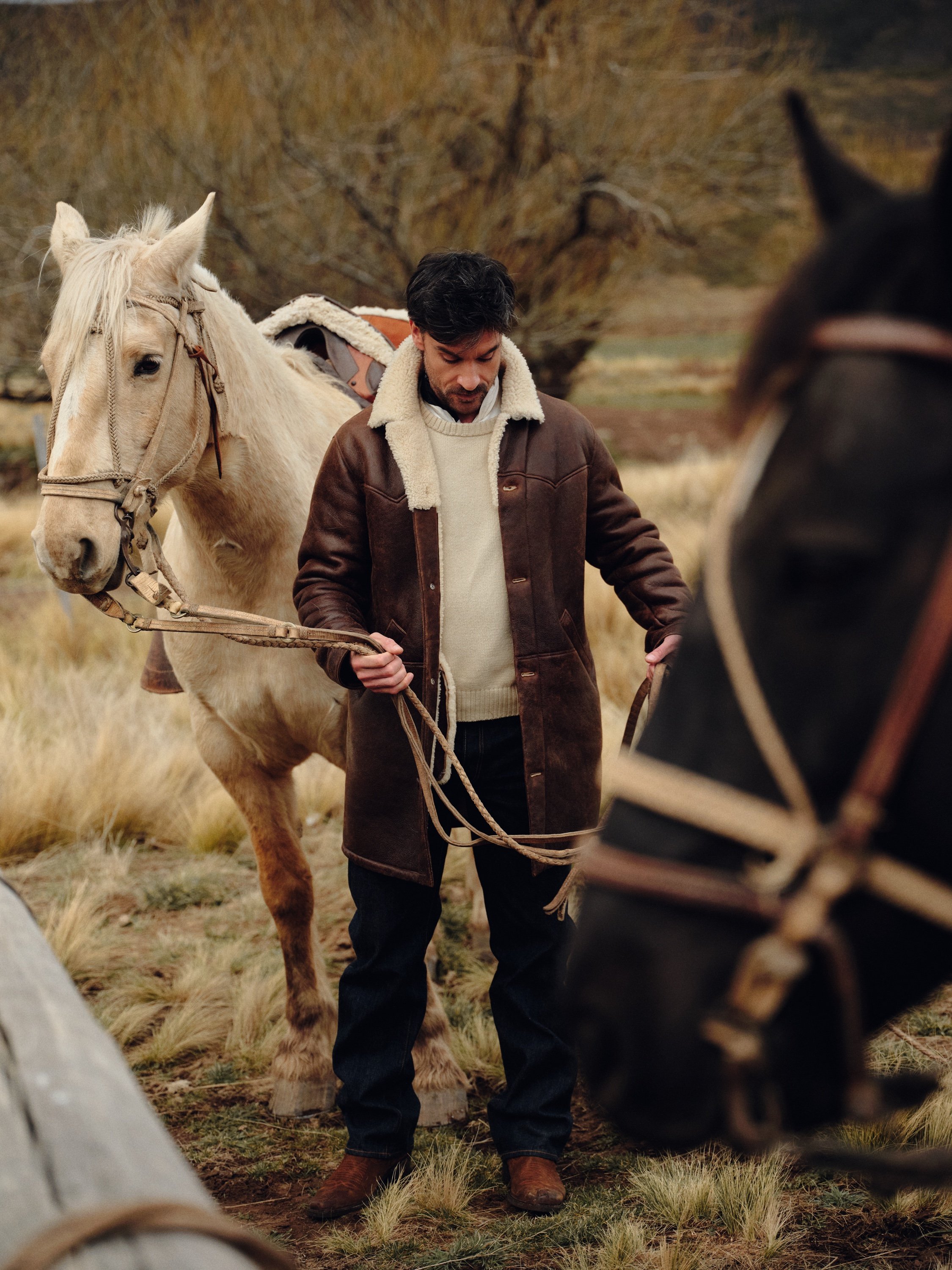
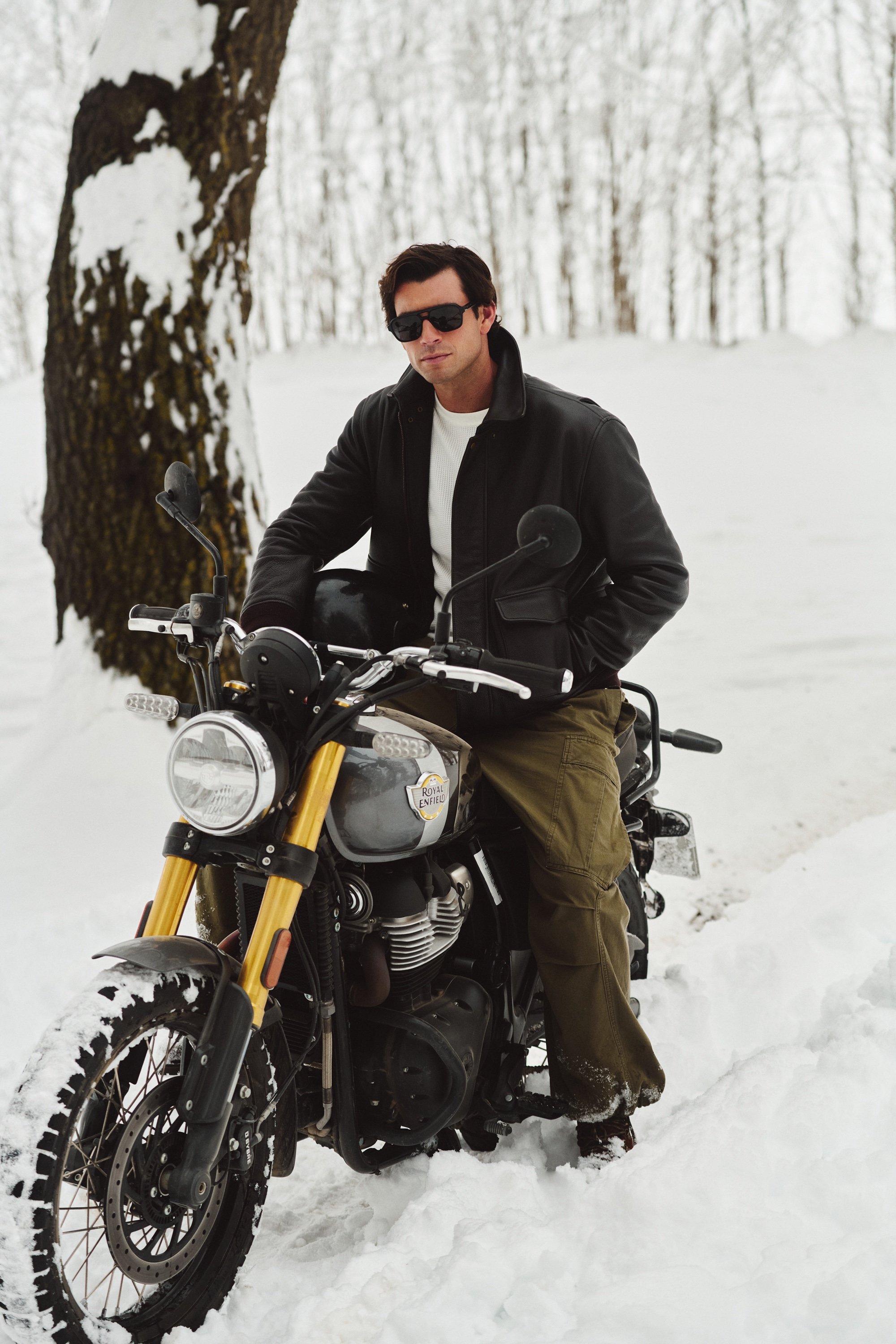
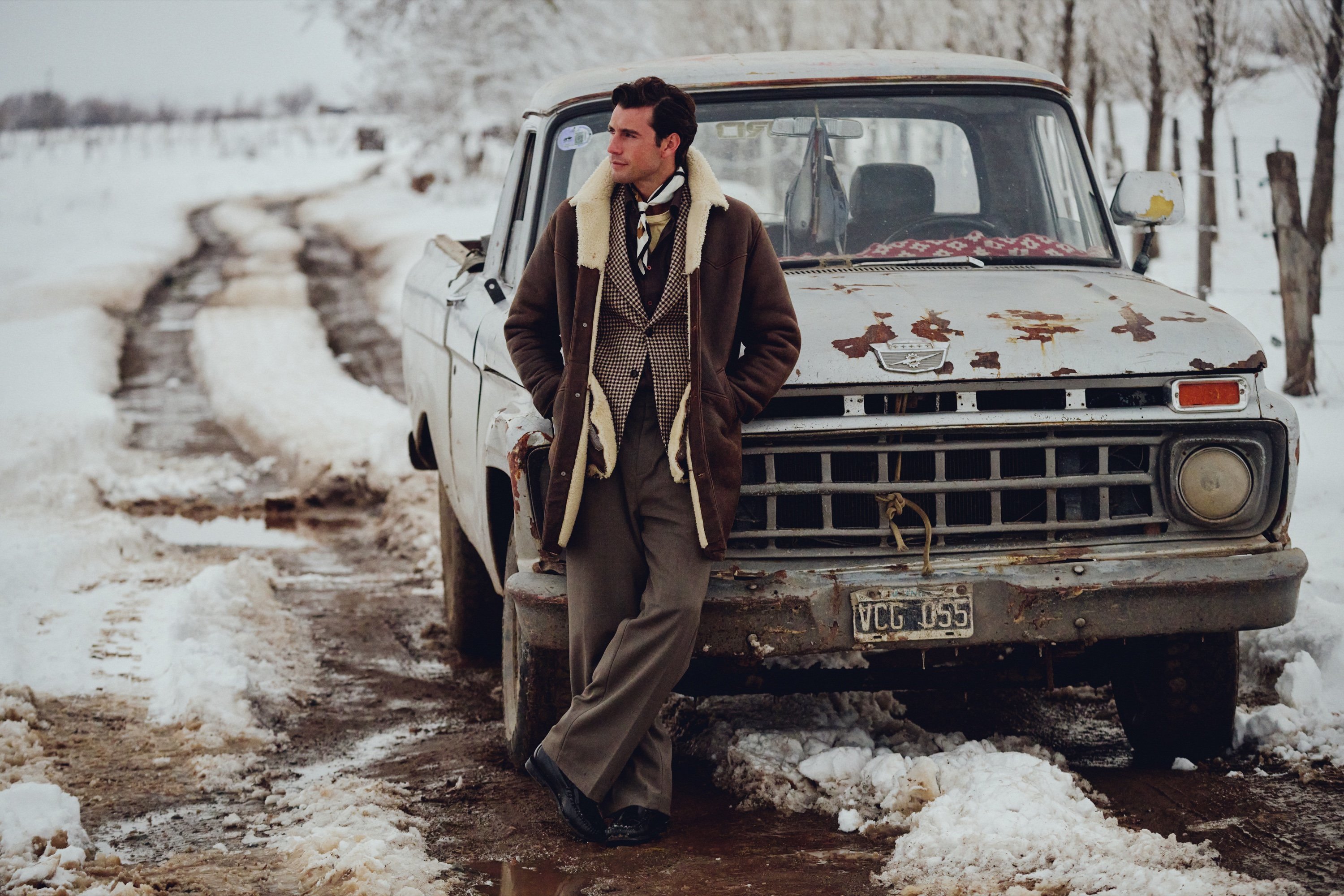
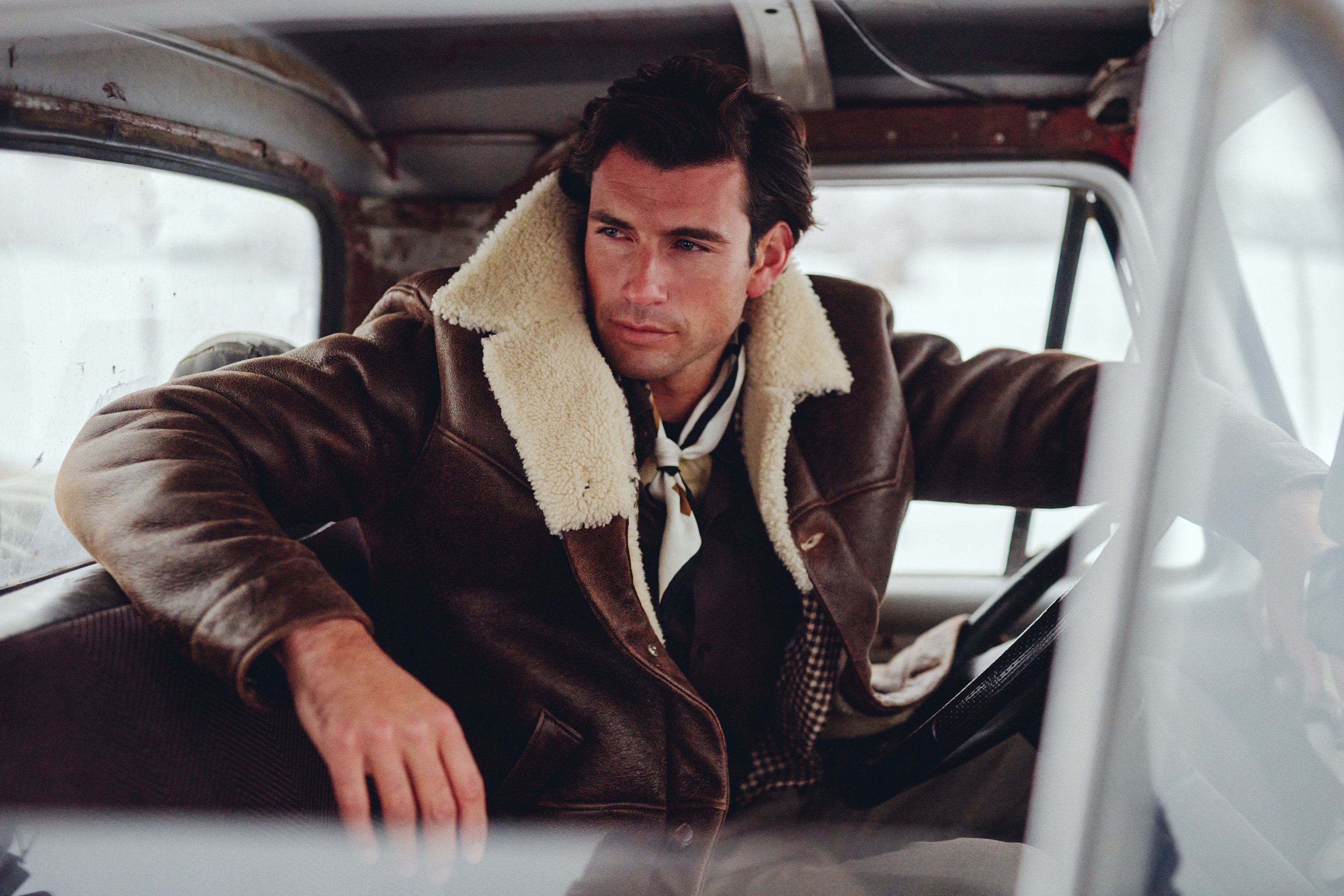
That September came the campaign shoot, about 5,000 miles from home, at Vivacs del Plata, a remote estancia at the base of the Andes outside Mendoza. A friend of Quinlan's had stayed there on her honeymoon and described it as "like being in a place untouched by the modern world." When he pitched the campaign to the family's son, Juan, Juan already knew every local the shoot would need. The family has held the land for 250 years, by Quinlan's account. This was the rule at full scale: a crew of 14, gauchos, a helicopter, a Royal Enfield and an old Ford truck. He expected to be on site to help direct the styling and some of the scenes, and to make sure the story of each garment came through the way he intended.
He never got past the airport. As he tells it, at 1 a.m., after 13 hours of travel, two immigration officers in Mendoza took him into a room under fluorescent light beside the checkpoint. They spoke rapid Spanish. He had an Italian tongue and a very basic ear for Spanish, so the conversation ran through Google Translate. Then they turned their screen around. On it was Interpol's website, and his passport, flagged as lost or stolen. He had reported it missing four years earlier, then found it and kept travelling on it. "It was my own fault." Fifteen minutes after landing, he was on his way home.
The man who had made the rule could not get in. A year of work, the time and the money, was suddenly "all in the hands of others." Getting deported before your own shoot "isn't a problem you just solve. It's more a problem you survive from."
It was the closest he came to giving up. The stakes were his own. He had no fashion experience when he started the brand, he runs a team of marketers in his day job, and he has three young daughters at home. He is the brand's sole funder, working with six factories on four continents, he says. What kept him going was simple: the crew had been vetted and flown in, and people had rearranged their lives. "Quitting in an airport terminal would have made the whole thing a lie." So on his layover in Panama City he opened his laptop, joined the crew on Zoom and helped direct what he could. "You don't have to feel strong to keep going. You just have to not stop." Somewhere over the Caribbean on the way home, "the shoot stopped being a production and became the reason the collection means anything."
In Mendoza, the crew moved the helicopter scene to the first day to use the weather, and caught the full expanse of the range with a storm coming in. On day three, with Quinlan back in Washington, they woke to feet of snow, no power, no wifi, and the lake frozen around the boat they had planned to film from. The host family, who in Quinlan's words "read weather like a language," fed and sheltered the whole crew. Juan stepped in as stunt double and rode the Royal Enfield through a whiteout; in another scene he doubled for the actor at full gallop on horseback. From home, Quinlan watched the footage come in: the team working through wind, rain, snow and freezing cold, no longer mourning the shot list, shooting what was in front of them. "It was the most unexpected moment of the whole project," he says, "but it might be the best part that came out of it." He now checks his passport "like it's a ritual."
The Rule Holds
He has kept the rule. The next region is already pulling at him, though he will not name it yet. Quinlan went to the Andes expecting the weather to be the one thing he could not plan for. He came back less attached to plans. "A plan is just a guess with better lighting." In Peru it was the guides who knew every turn of the trail; in Argentina it was a family that took in a whole crew through a snowstorm. "Generosity in these places isn't a transaction," he says. "It's just how you're supposed to be."
What he would change is not the miles, the altitude or the weather. It is the grip. "The fear of losing control took more from me than actually losing that control ever did."
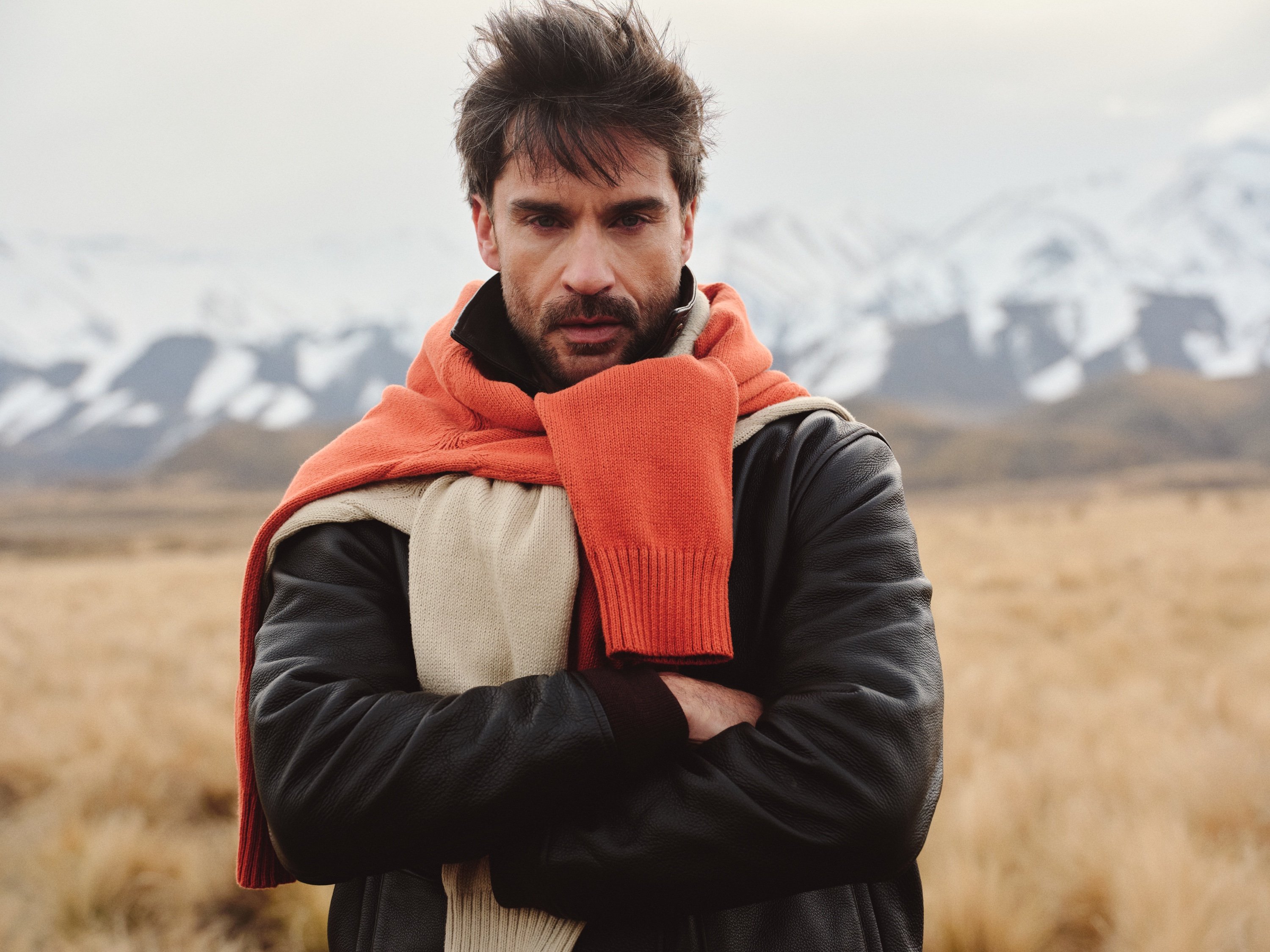
In collaboration with Arc & Iveagh. The Andean Passage Collection is at arcandiveagh.com.
In collaboration with Arc & Iveagh
Connect with Arc & Iveagh here: Shop Instagram
© 2026 Grit & Dust (The Hard Way Is the Point). Photos © 2026 Arc & Iveagh. All rights reserved. No part of this article or images may be reproduced, distributed, or transmitted in any form without prior written permission.