Not a Normal Finish Line
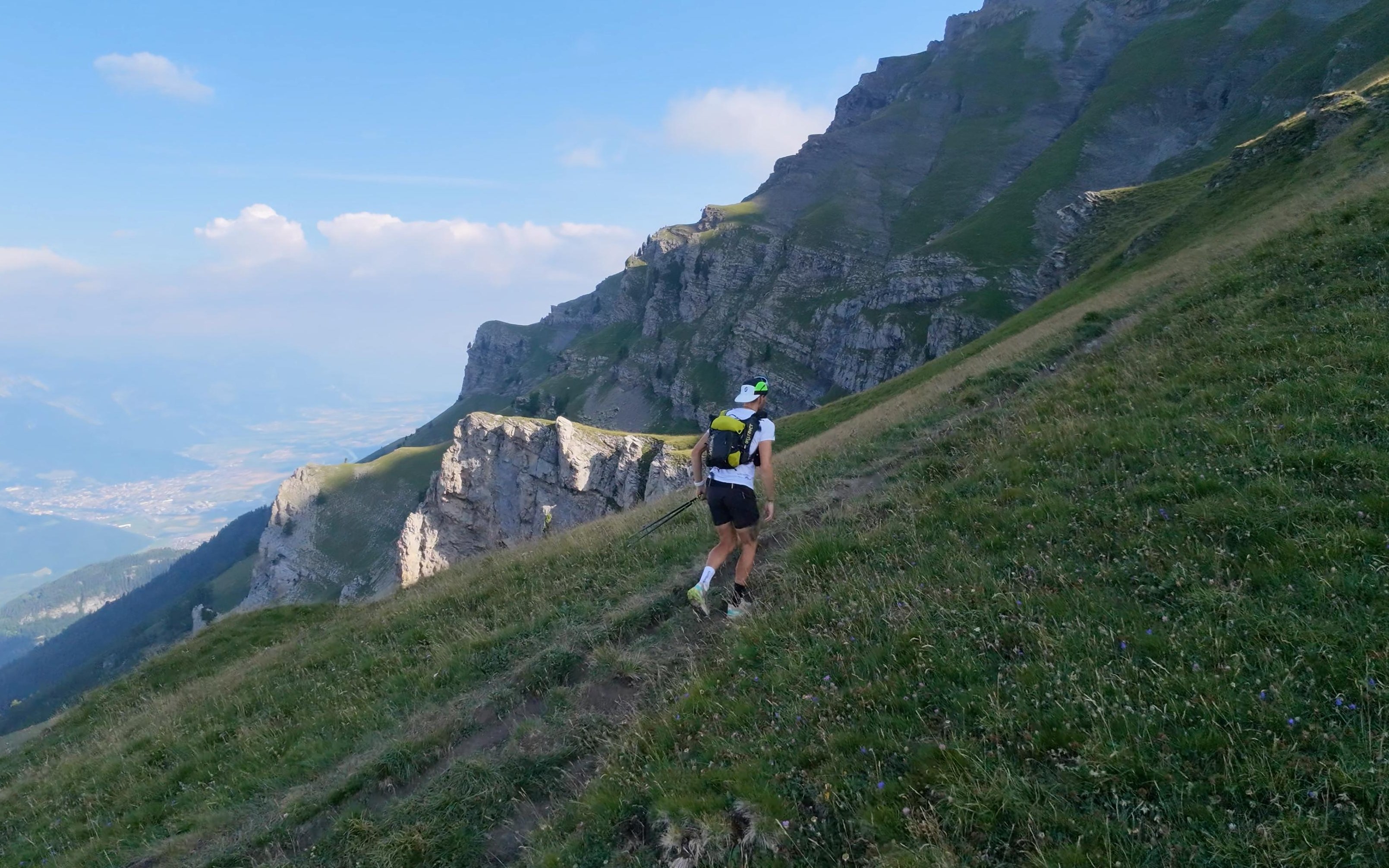
Swiss runner Frédéric Splendore set a Via Alpina fastest known time, then kept going to Ukraine: about 4,200 km from Monaco to Lviv, 24 July to 21 September 2026.
Interviewed on the 17.10.2026
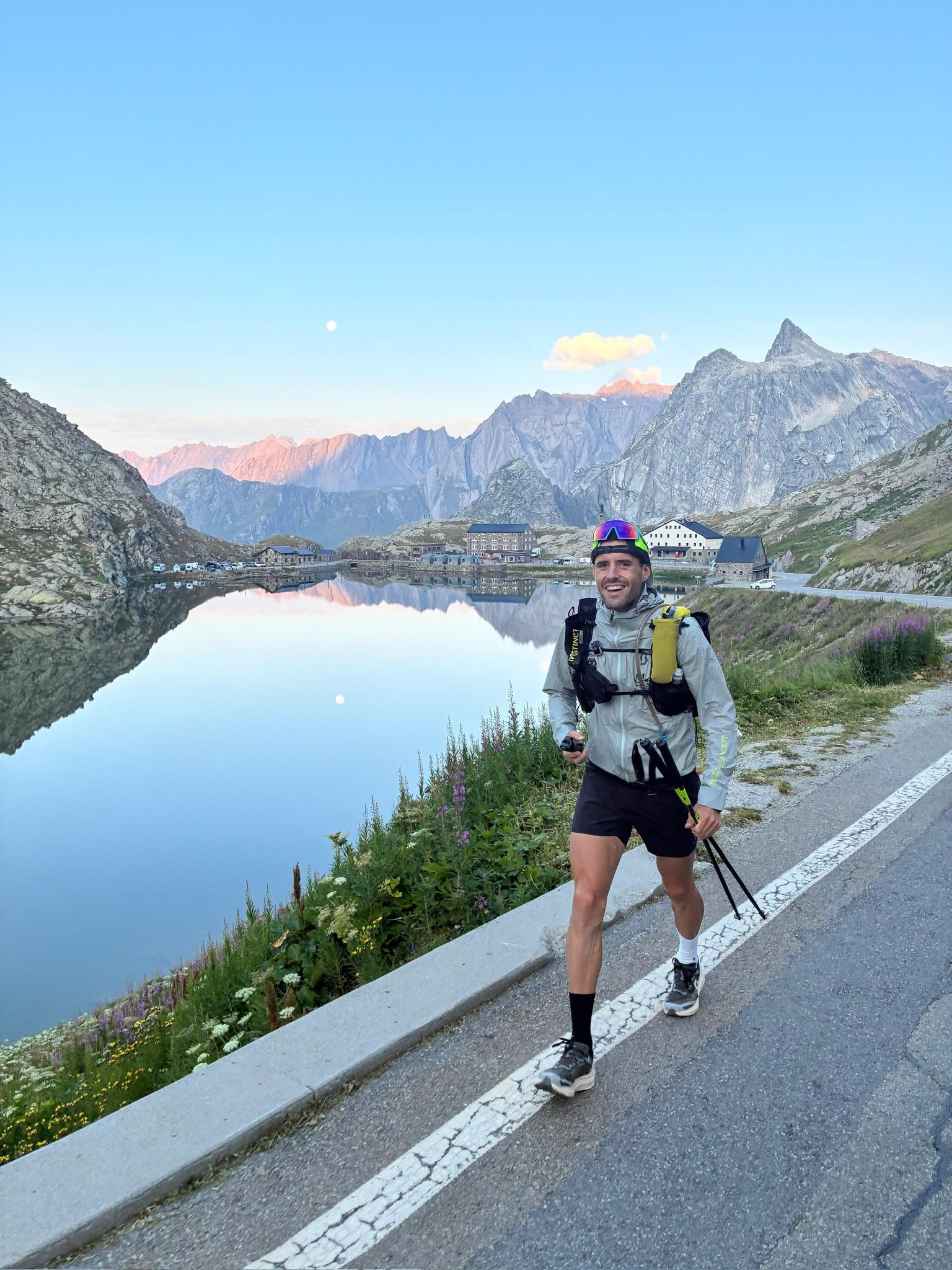
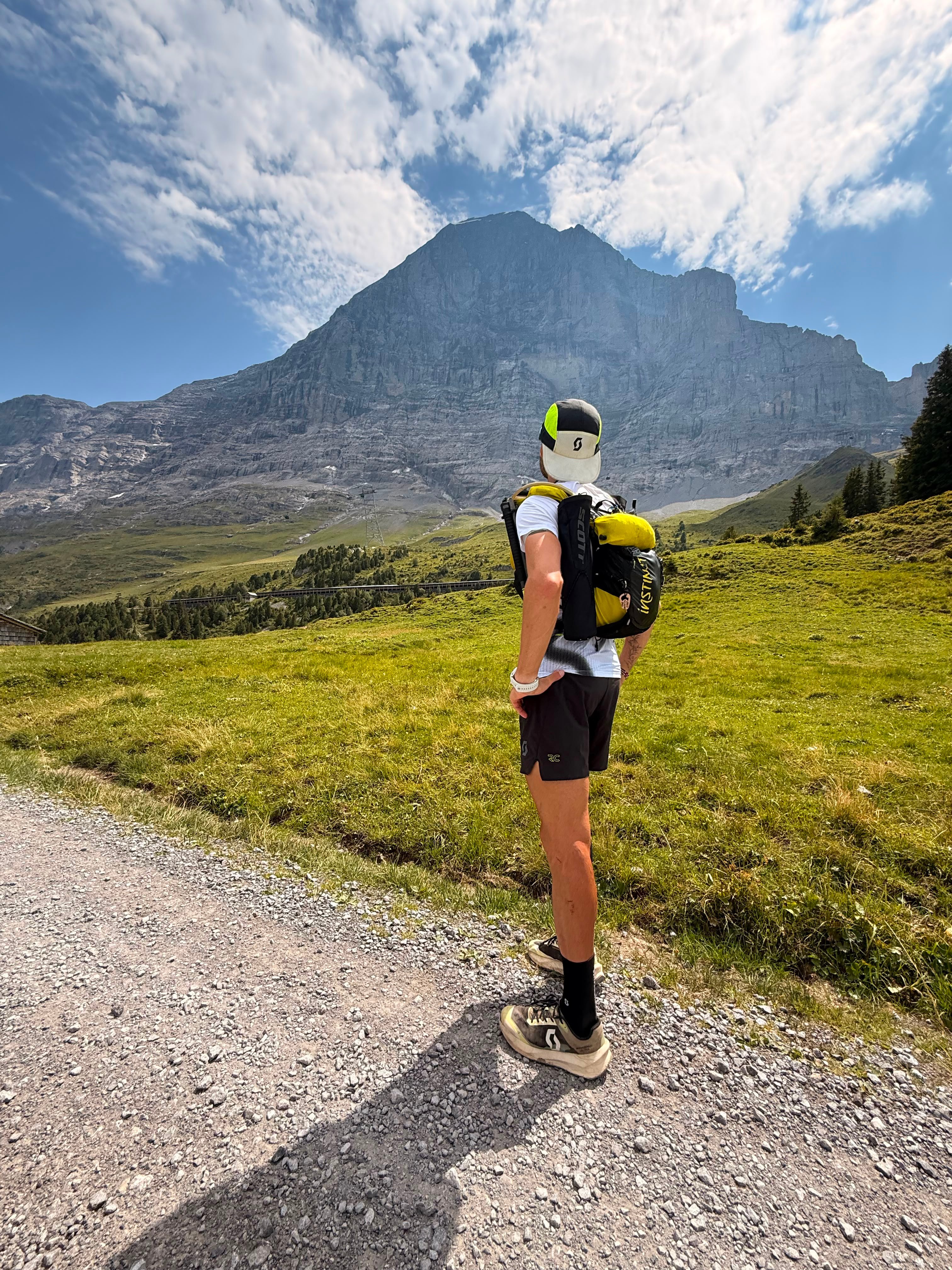
Frédéric Splendore left Monaco on foot on 24 July 2026 and reached Lviv, in western Ukraine, on 21 September: about 4,200 kilometres in 60 days. The first 2,000 or so, along the Via Alpina, a long-distance route through the Alps, took him 23 days, 11 hours and 42 minutes. That is a fastest known time (FKT), an unofficial speed record kept by the Fastest Known Time website, in the supported style, meaning a crew can meet the runner along the way. By his count, the climbing over the whole crossing came to roughly 148,000 metres. The Swiss runner says the unusual part of the story is not the distance. For most of his life, running was something he did only for himself.
Always alone
He started running at five years old. "That makes about 29 years that I have been running," he says, "but never in athletics, so always for me, always alone." He ran his first half marathon at 19 and his first marathon at 20, and a few years later he was under three hours, "doing everything myself."
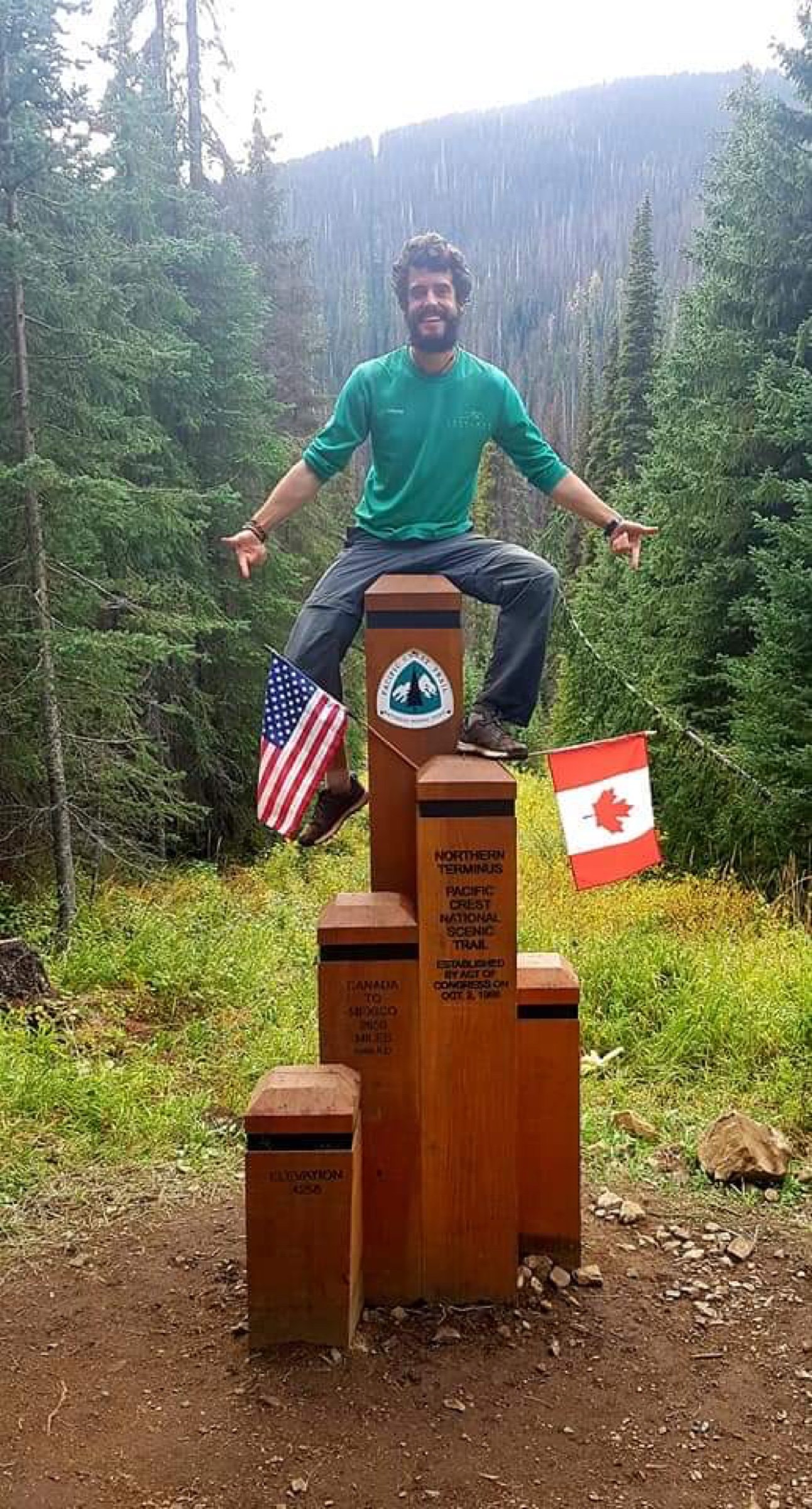
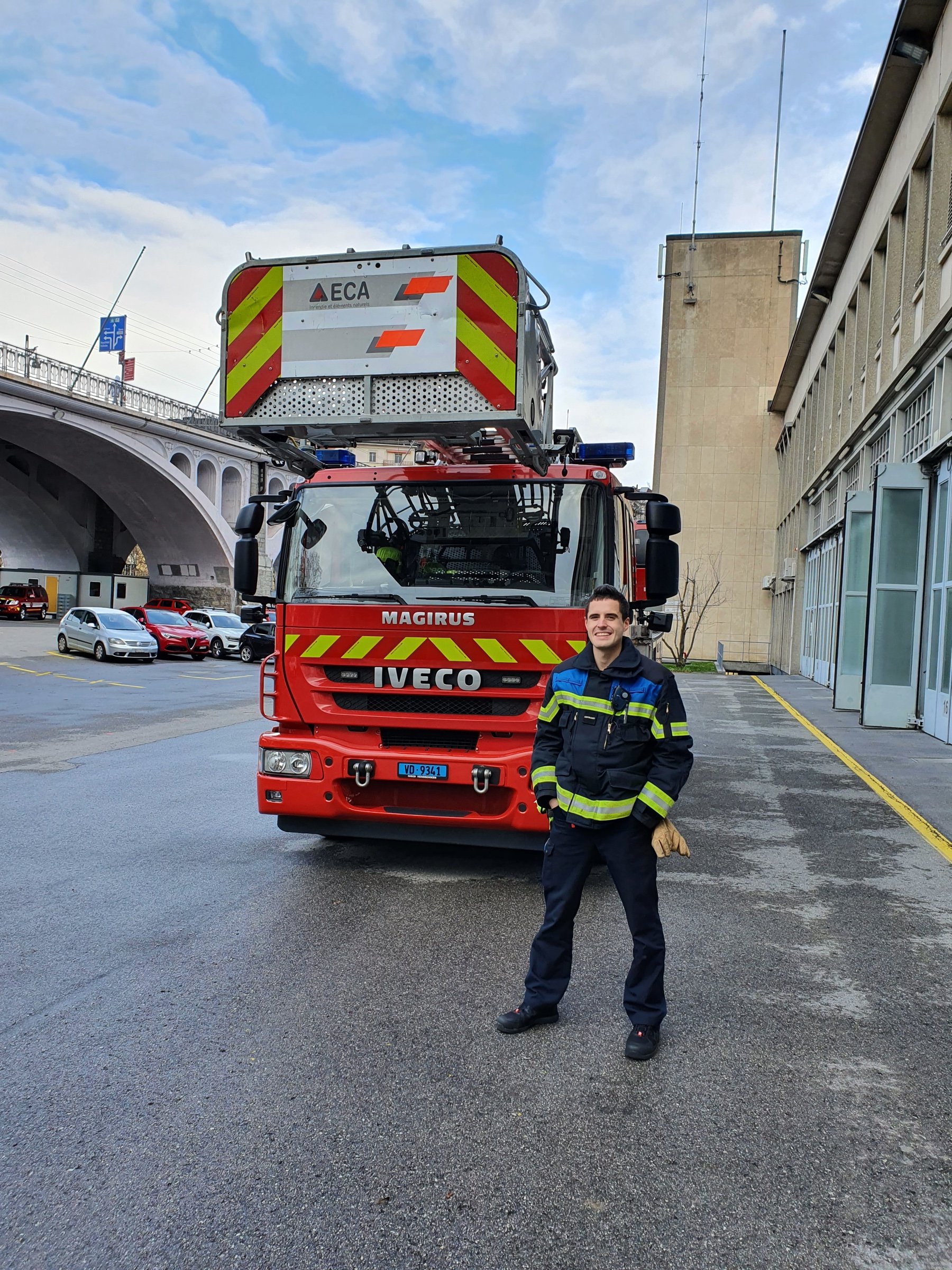
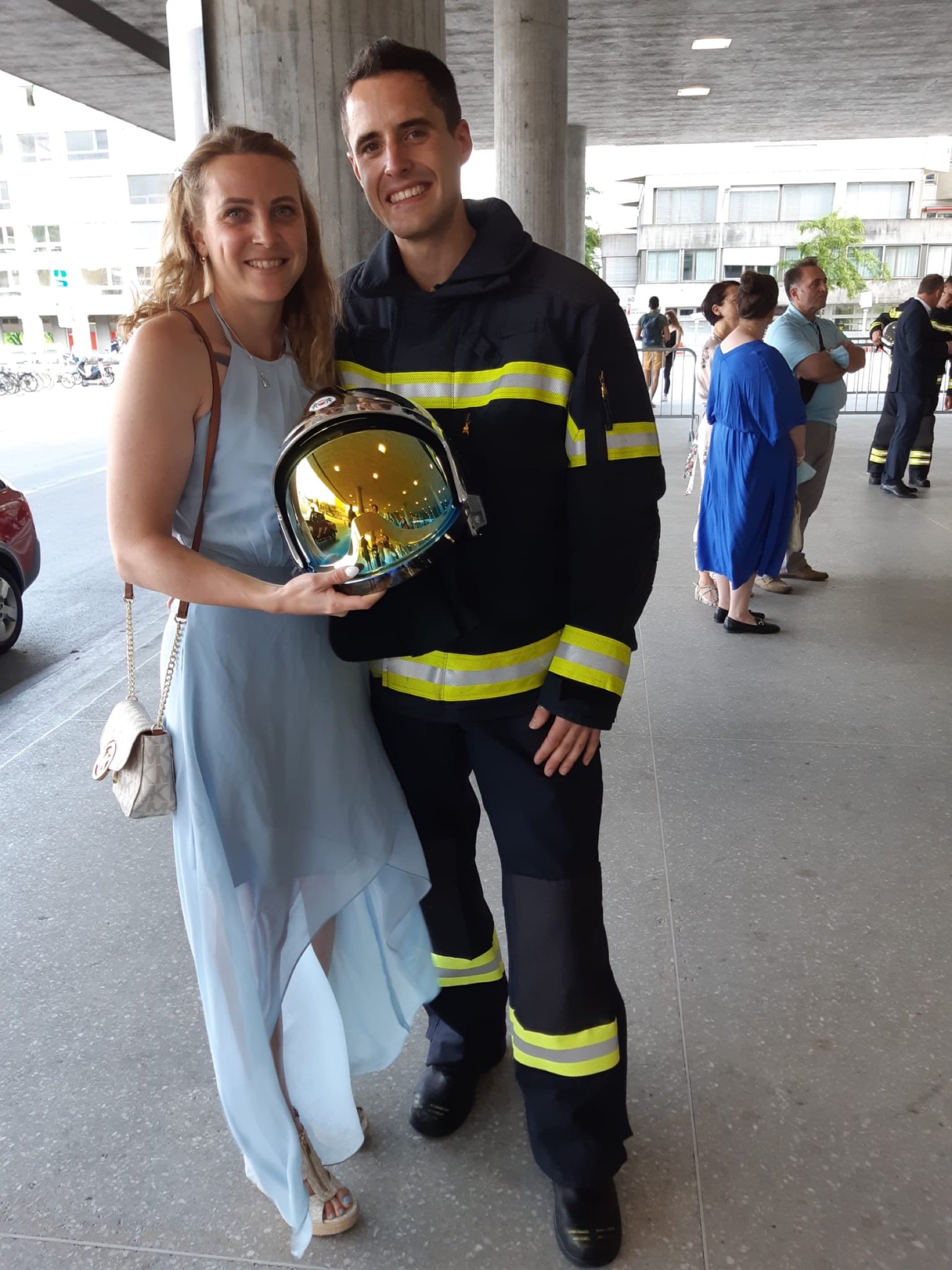
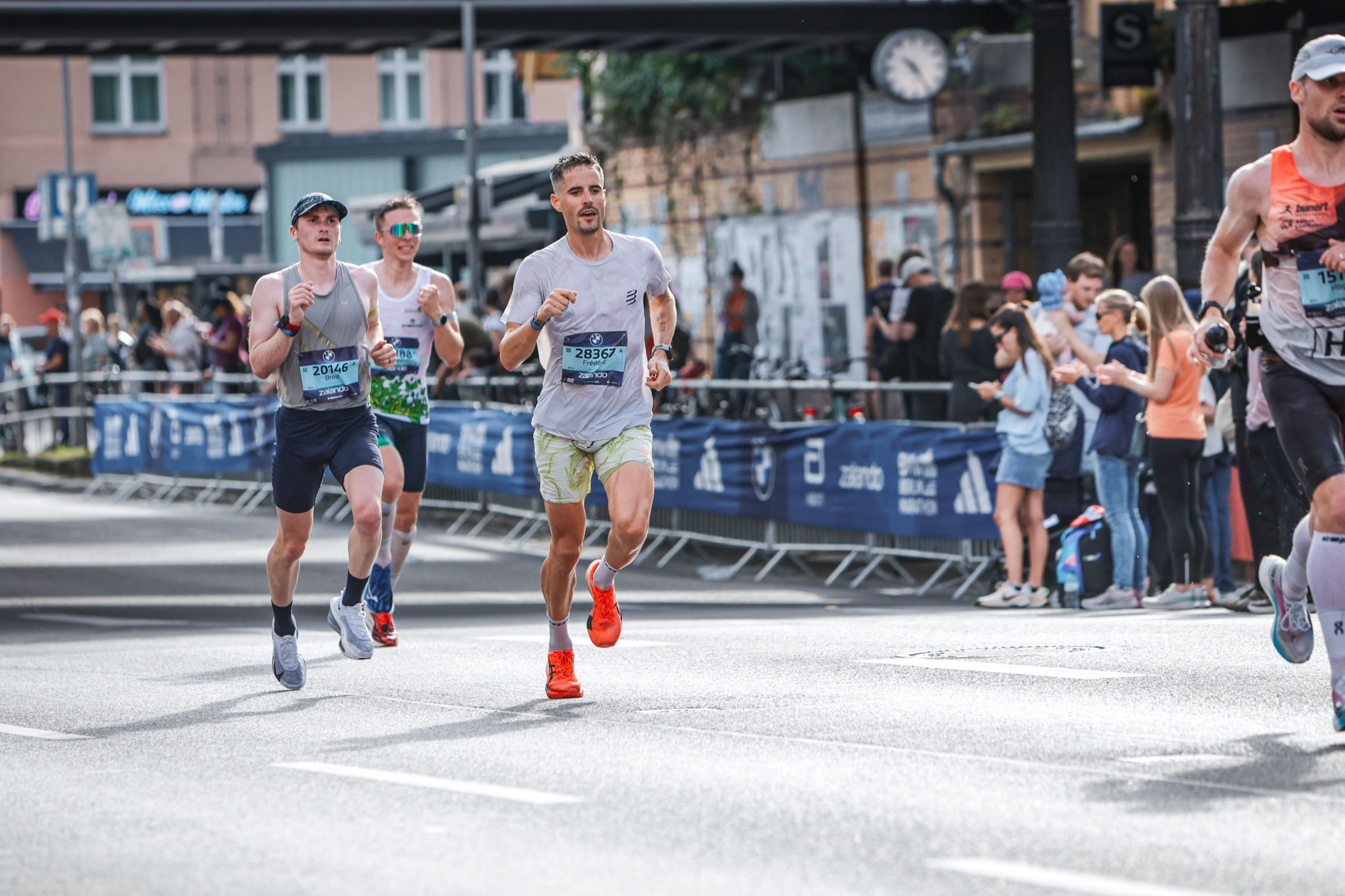
In 2017 and 2018 he crossed the United States on foot, self-supported, on the Pacific Crest Trail from the Mexican border to Canada. It was, he says, an adventure without any notion of performance, "even if the goal was still not to take six months." When he came back he applied to become a professional firefighter. He went back to road running too, this time to get faster. Last year he ran a marathon in 2 hours 22 minutes, by his account.
"Something better to do"
That same year, he says, he started asking himself a different question. "Isn't there something better to do than just running for yourself?" He had raised money through running before. He wanted another long project, something like the Pacific Crest Trail, and in May 2025 he began building one. The first part already existed: the Via Alpina. The second he drew himself, ending in Ukraine. The performance side, he explains, was a way to make the project known. The other side was human, aimed at people affected by the war in Ukraine.
He puts the reasoning plainly:
"I'm not a politician, and I don't have millions to donate. But I can push my body and mind extremely far. I realised that I could use this ability to carry a meaningful message across borders, bring people together and hopefully raise money for people who need it."
A year before the first step
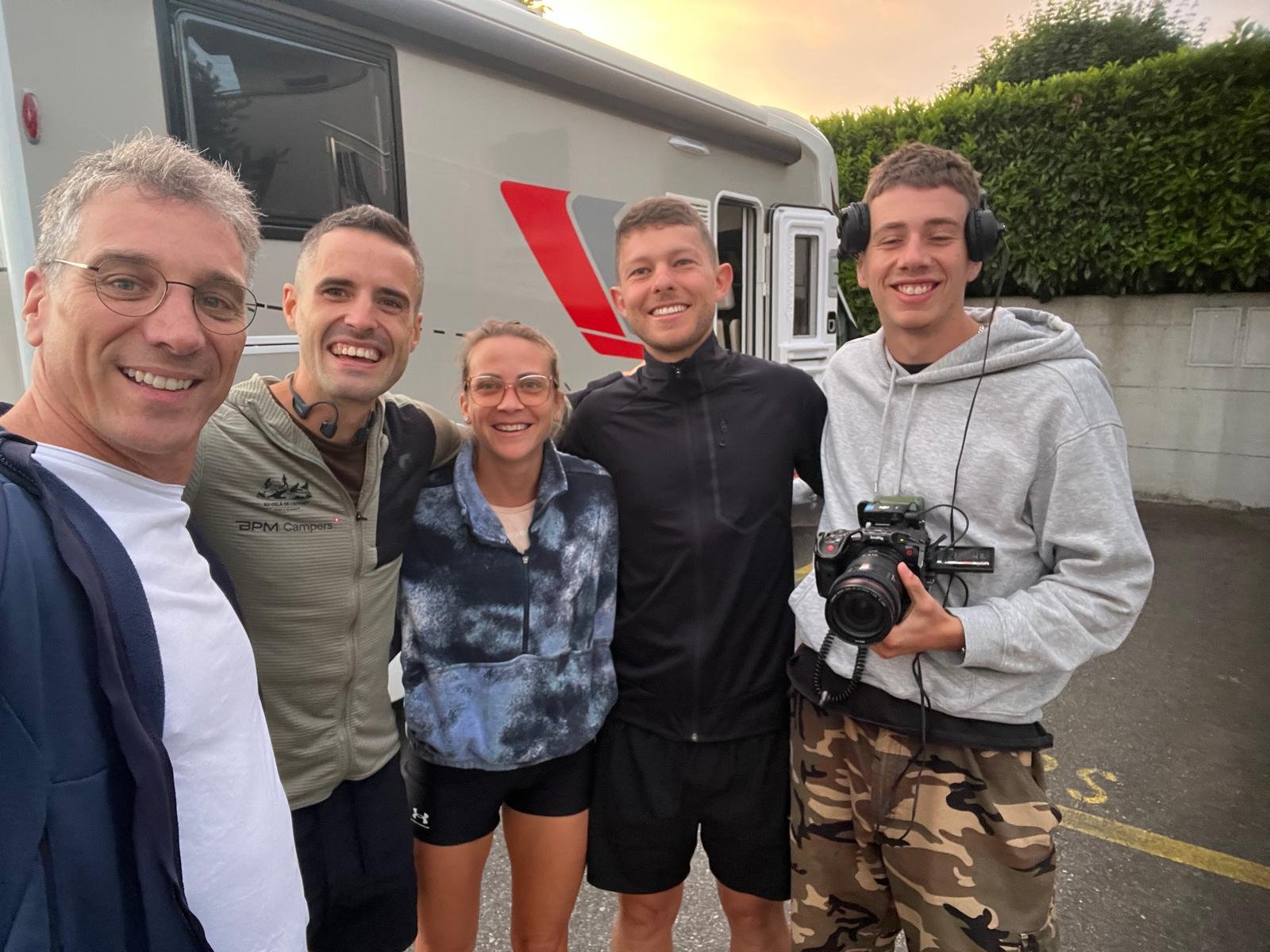
The project ate more than a year. From May 2025 to the start in Monaco, he looked for sponsors, left his job, and put in several thousand Swiss francs of his own. "It was almost harder to prepare than to do," he says.
His training had a late twist. He swapped to climbing work only in February 2026, starting on ski touring skis because there was too much snow to get into the mountains. In the months before the start he entered five races in about two months, among them the Dernier Survivant in Neuchâtel (about 60 km and, by his count, 7,000 to 8,000 metres of climbing), the Swiss Canyon Trail and the Ultra-trail du Mont-Terrible, which local press reports he won. It was a test of the plan, not a racing season. "If I wasn't capable of doing five races at a sustained pace in two months," he says, "there was no point in trying to do 100 kilometres a day for 23 days."
Twenty-three days
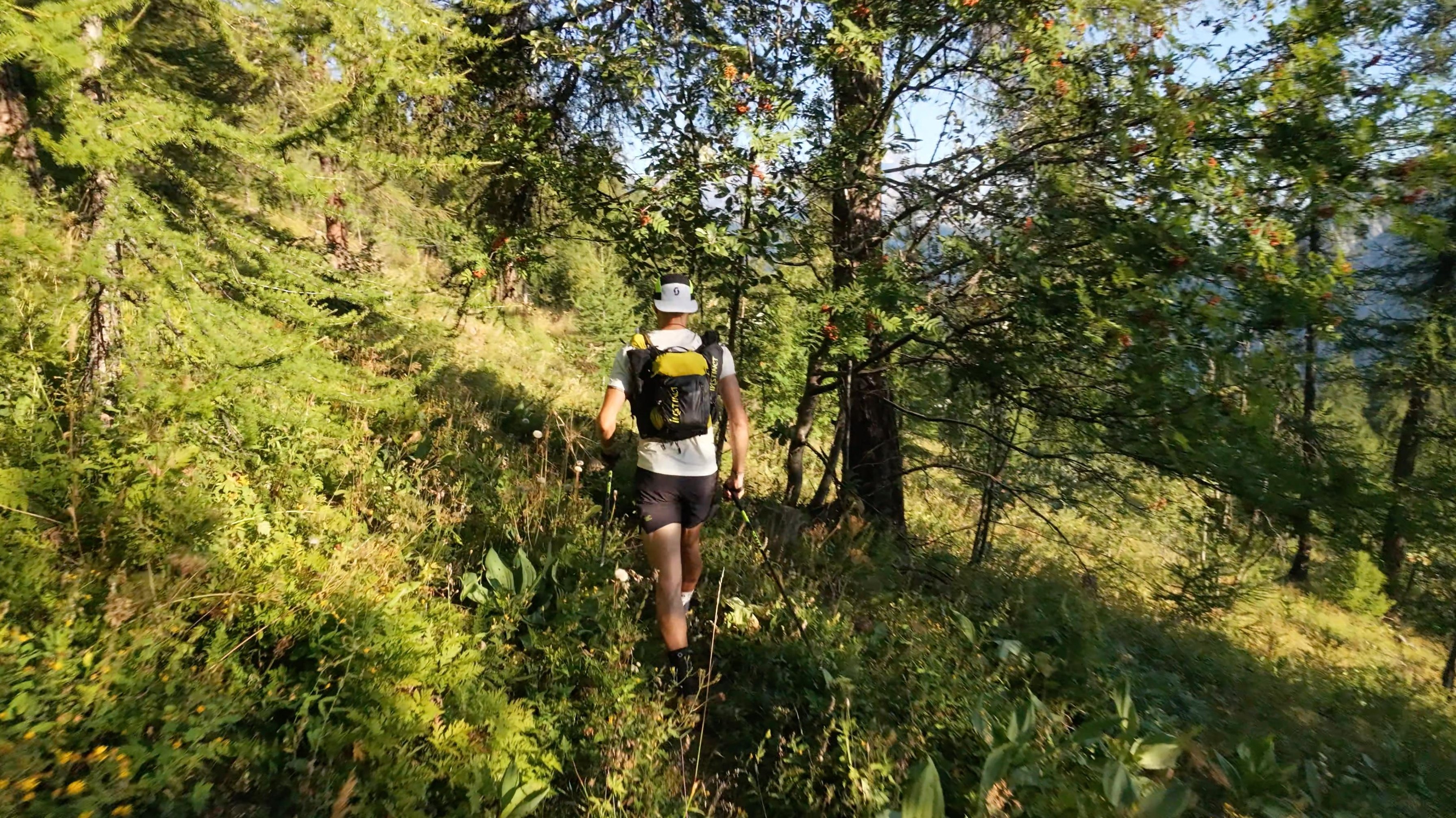
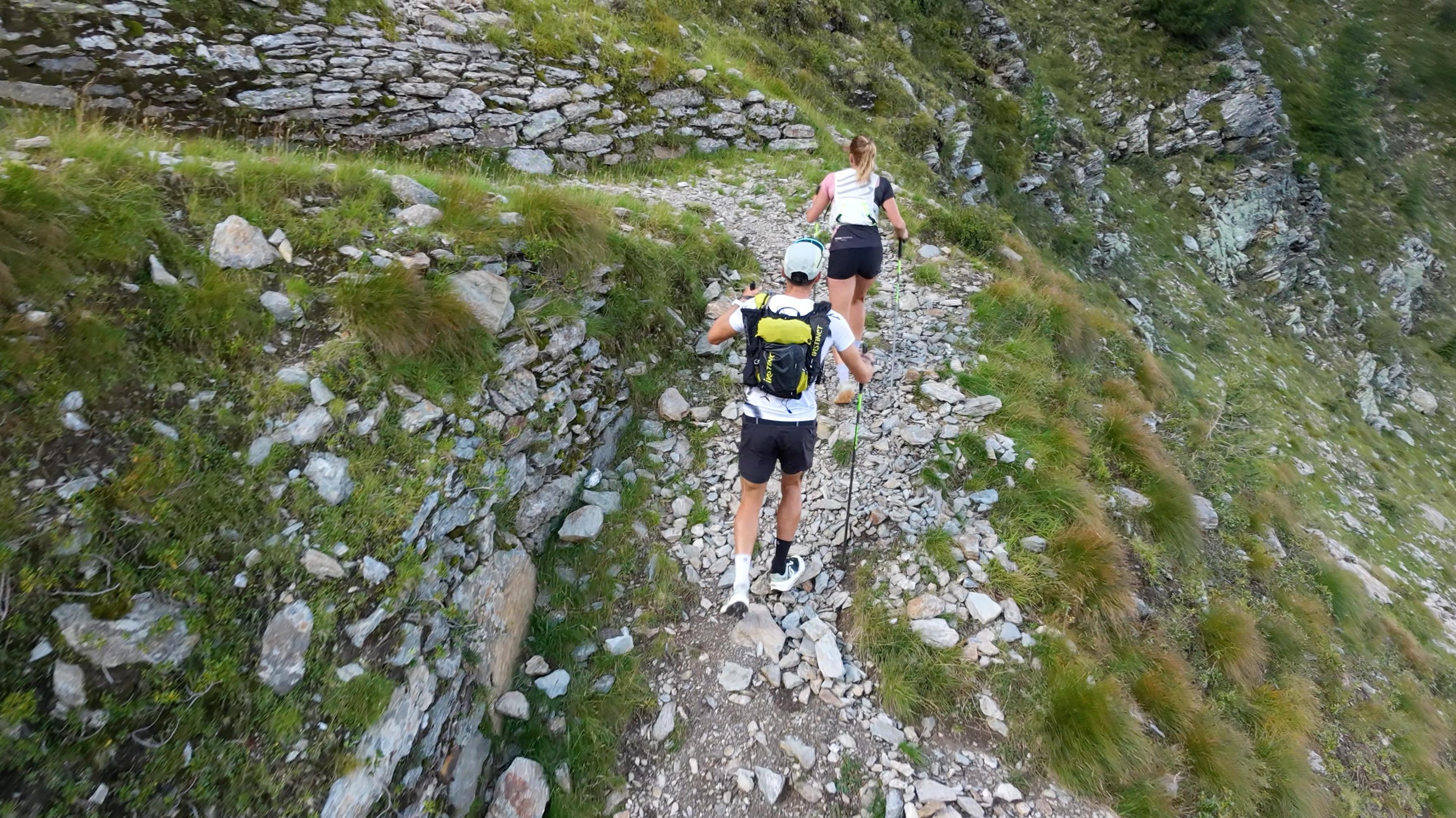
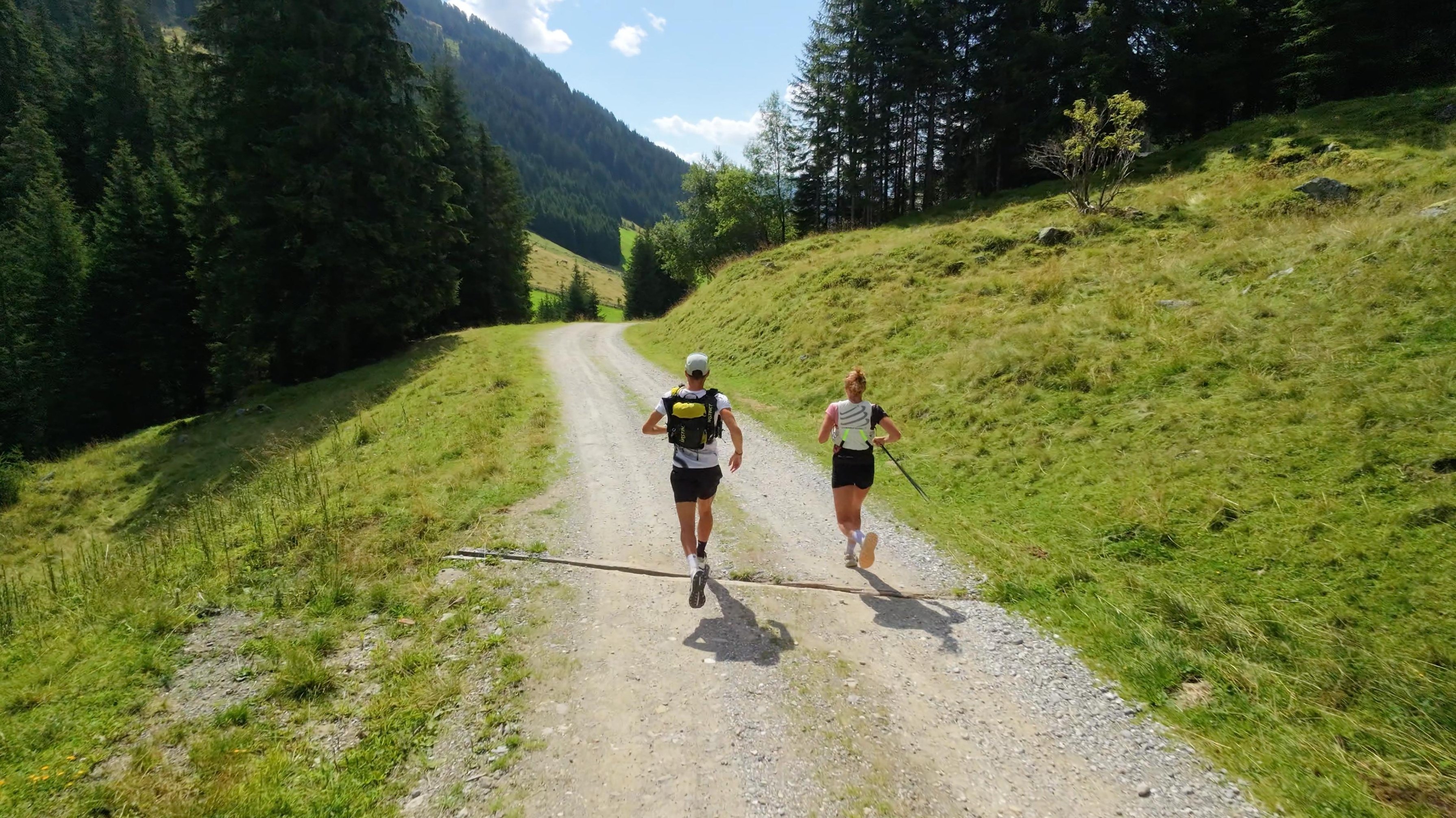
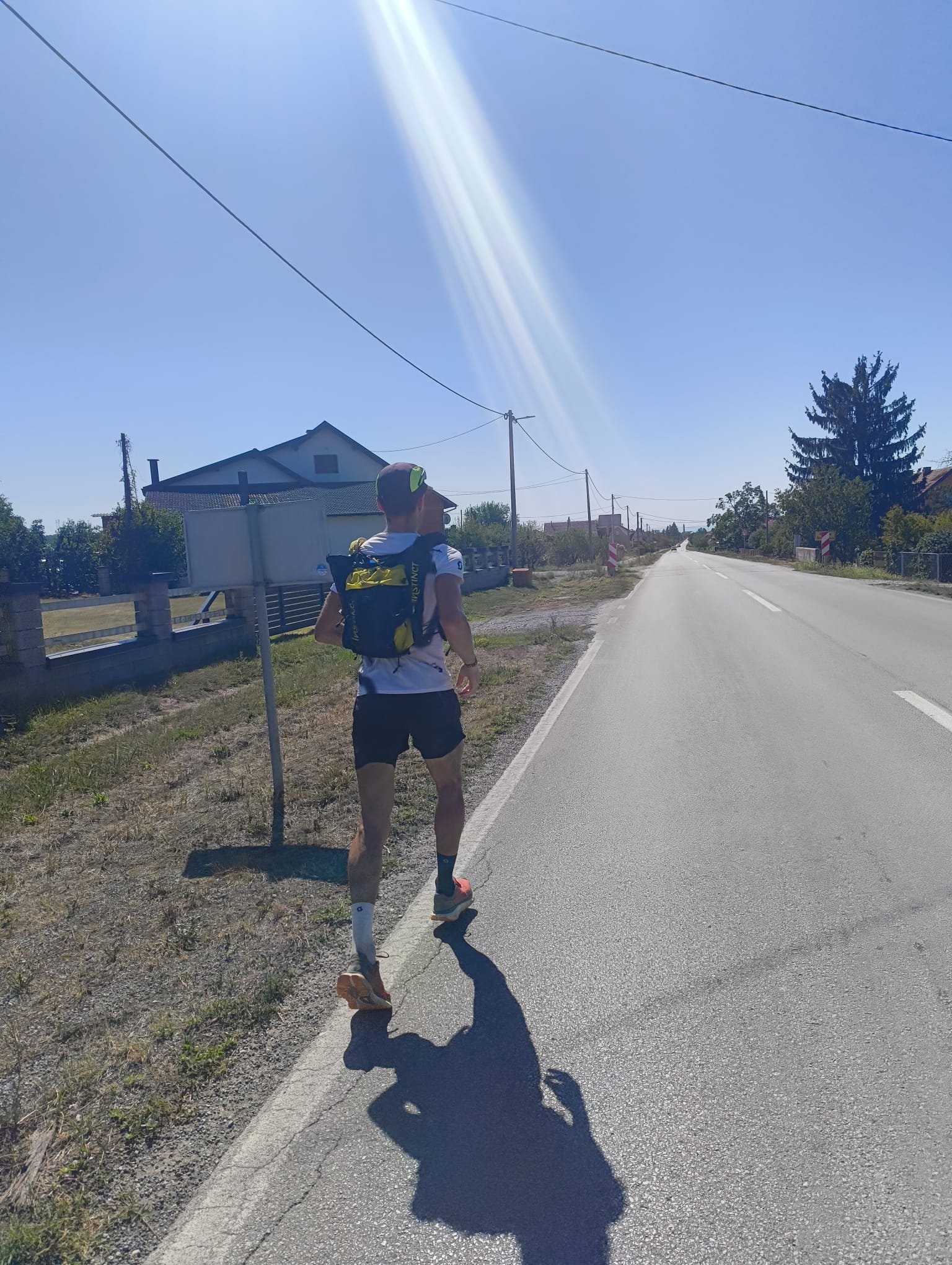
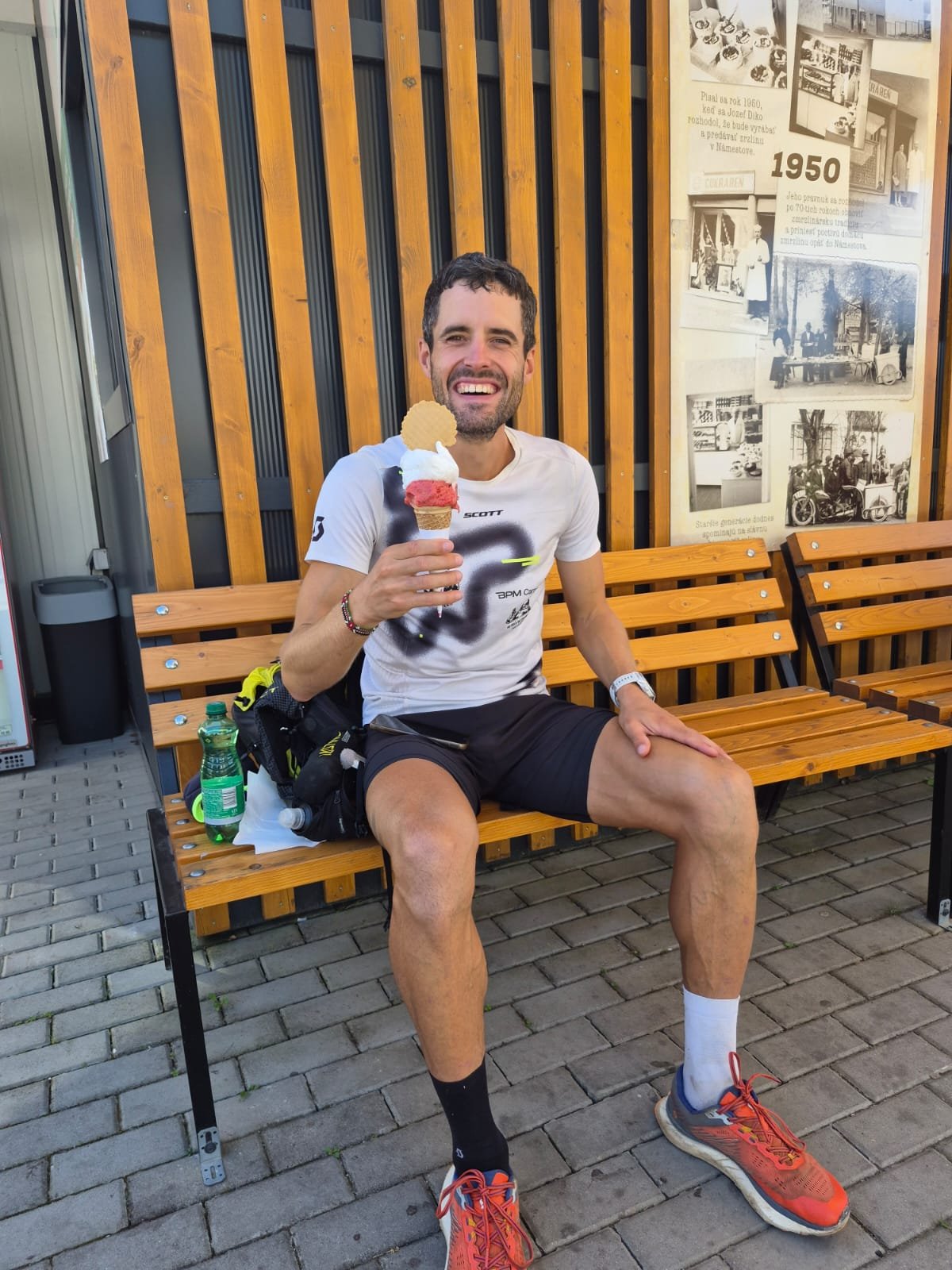
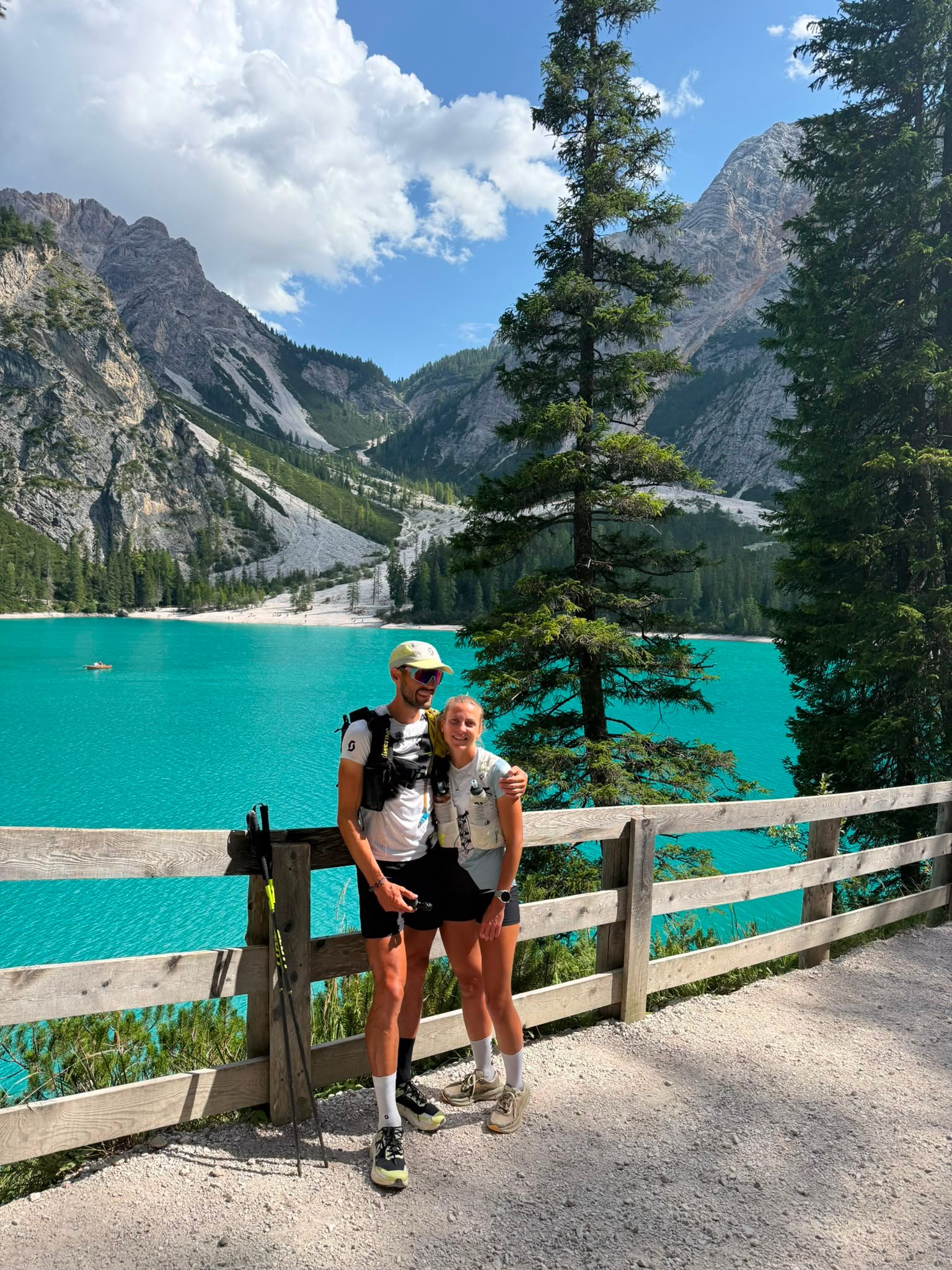
The days on the Via Alpina ran 17 to 18 hours of walking and running. They were meant to be shorter. He had expected to move faster and finish earlier, but the terrain was so technical that he could almost never run. He carried his own pack the whole way, three kilograms when nearly empty and six when full, with up to 2.5 litres of water, a survival blanket and Vaseline. His crew, in a camper van, met him when they could. The food was bars, gels, Swiss supermarket tartlets and Pop-Tarts. "It's not very healthy," he says, "but when you do something like this you look above all for calories relative to weight."
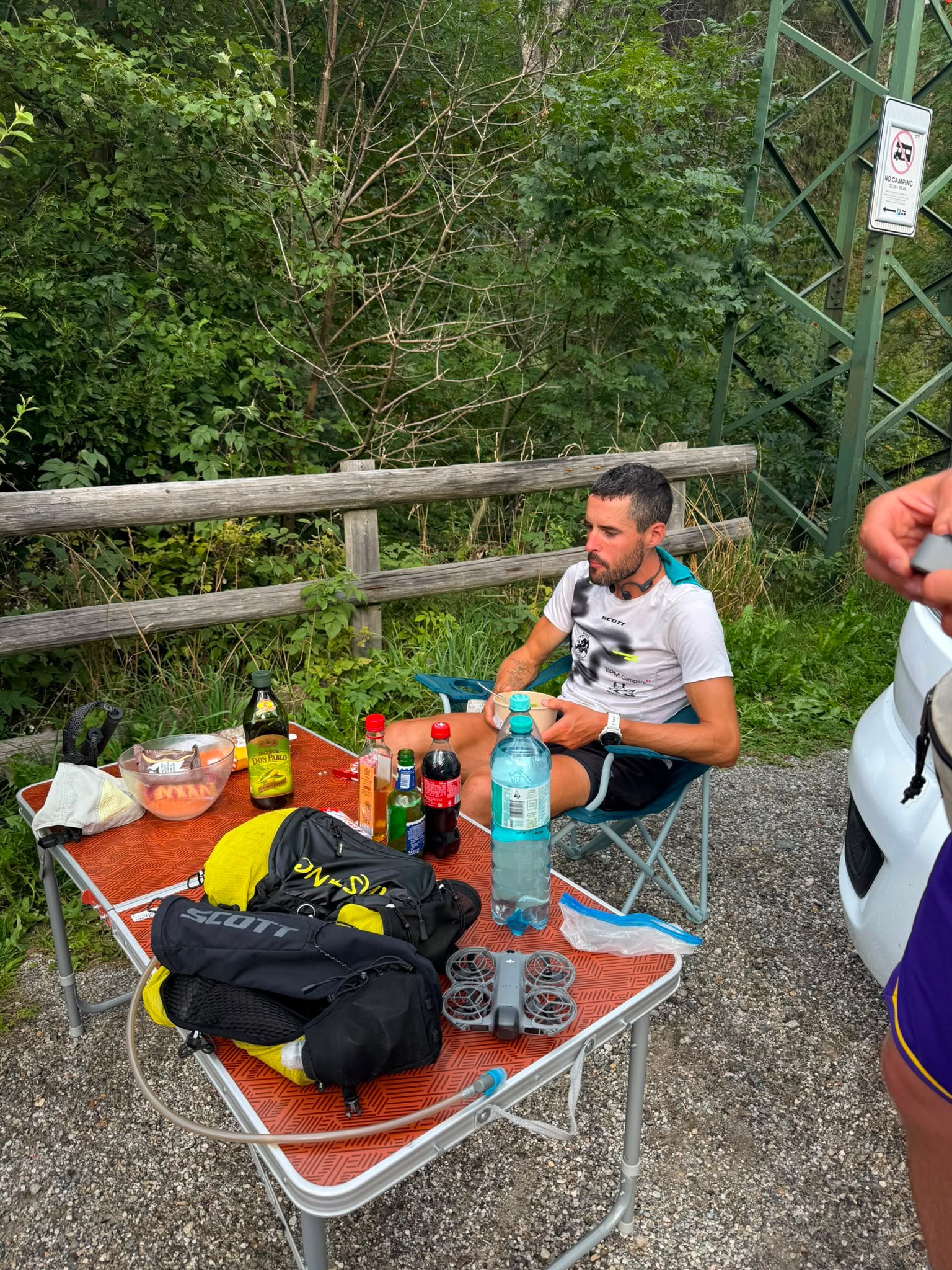
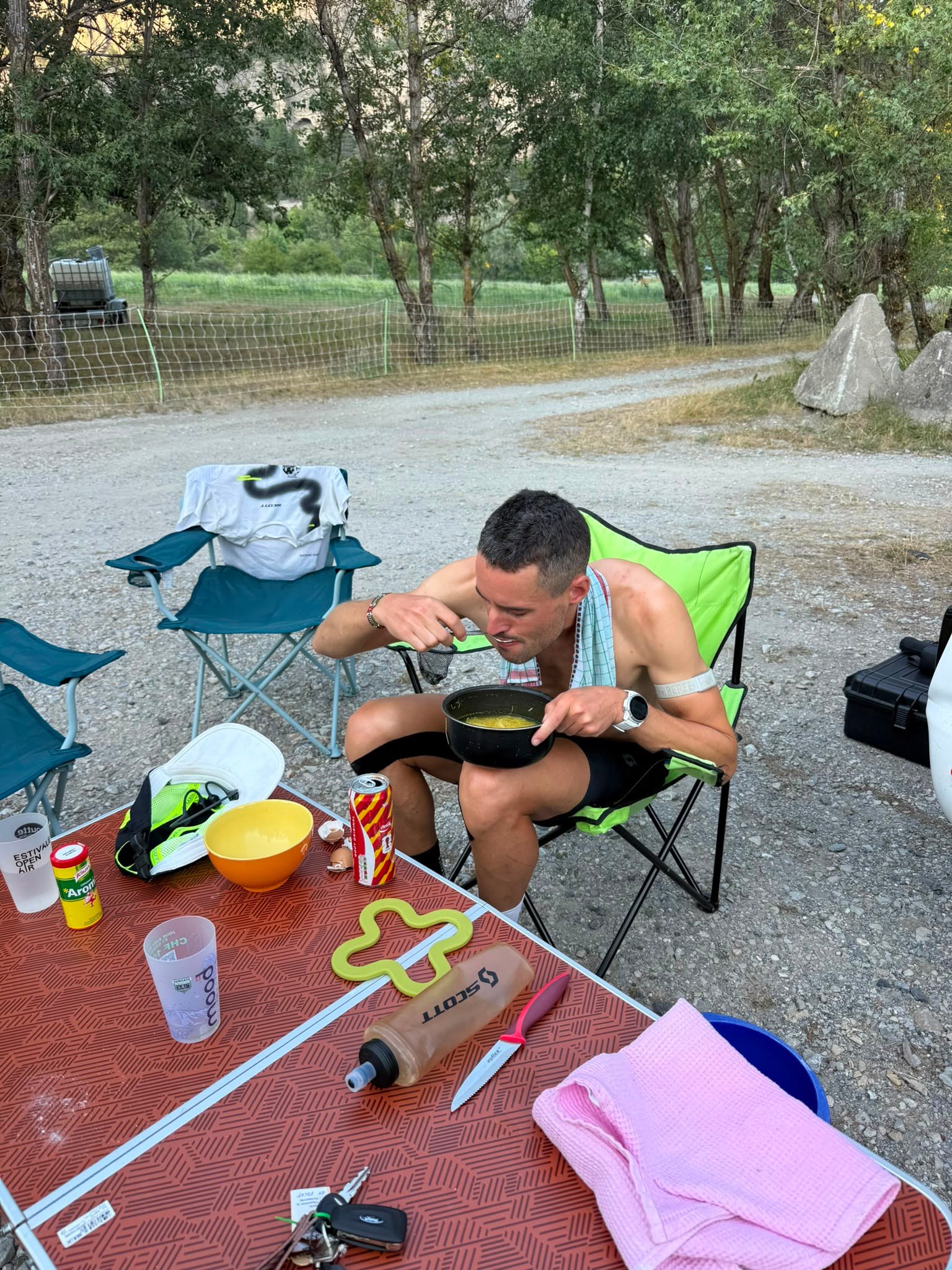
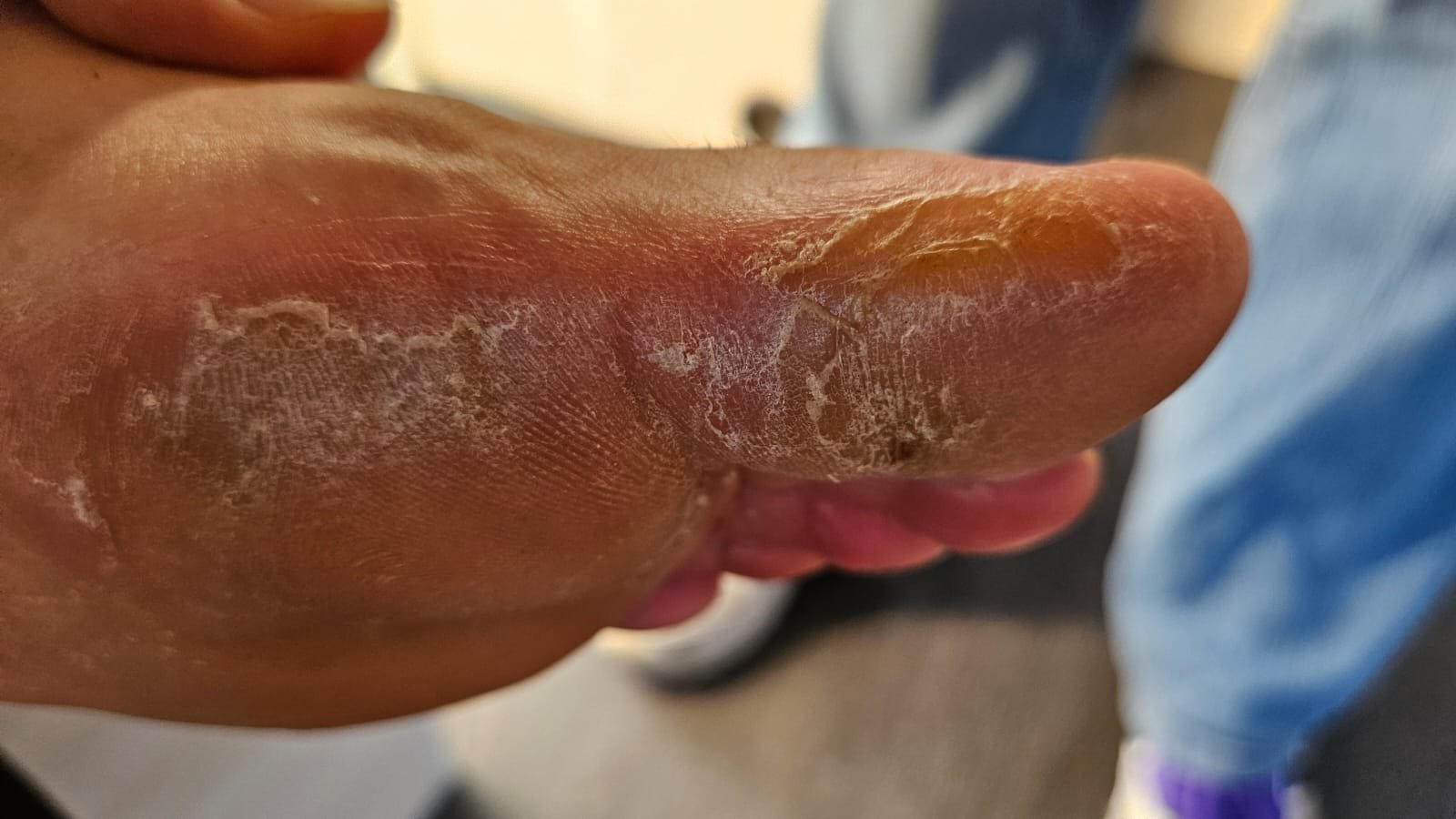
He almost never gets blisters. This time, from the second or third day by his recollection, he had them on both heels, and he carried them across the whole Via Alpina, because they never had time to heal. Each morning the first two to four hours hurt, then the endorphins "took over." He had earphones and used them for perhaps three or four hours of music in total, saved for evenings when the landscape was gone and the tiredness was extreme.
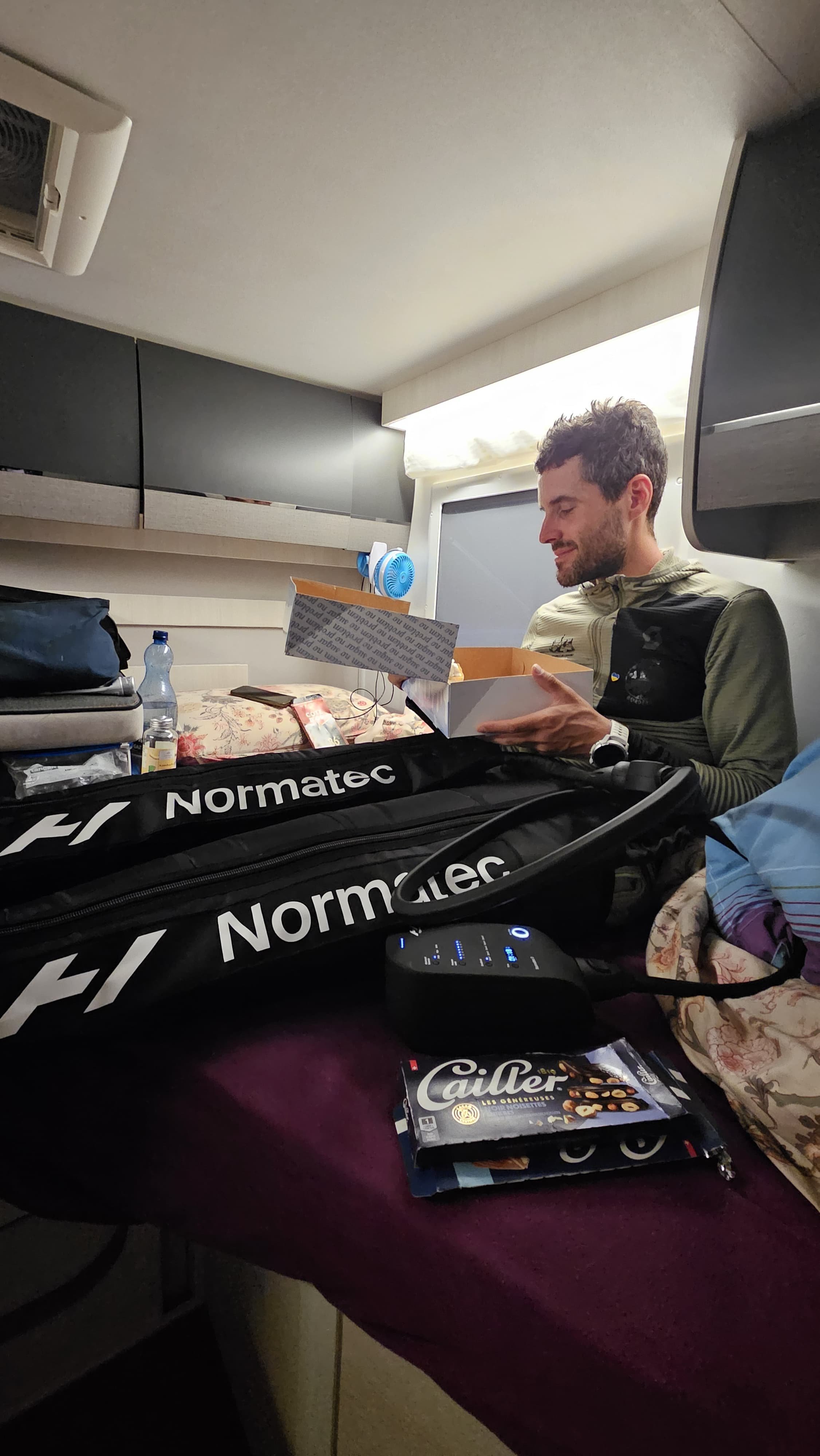
Evenings followed a routine. He would shower quickly in the camper van, lie down and eat while the physiotherapist massaged his calves, 15 to 20 minutes, then sleep. "I knew I would set off again four hours later," he says. Each minute lost to a wrong turn, a stop or a drone shot, he adds, was a minute taken from sleep.
The Next Adventure Awaits
Join The Dust Report, our adventure newsletter. Stay up to date with travel stories from the world of adventure, in your inbox every other week.
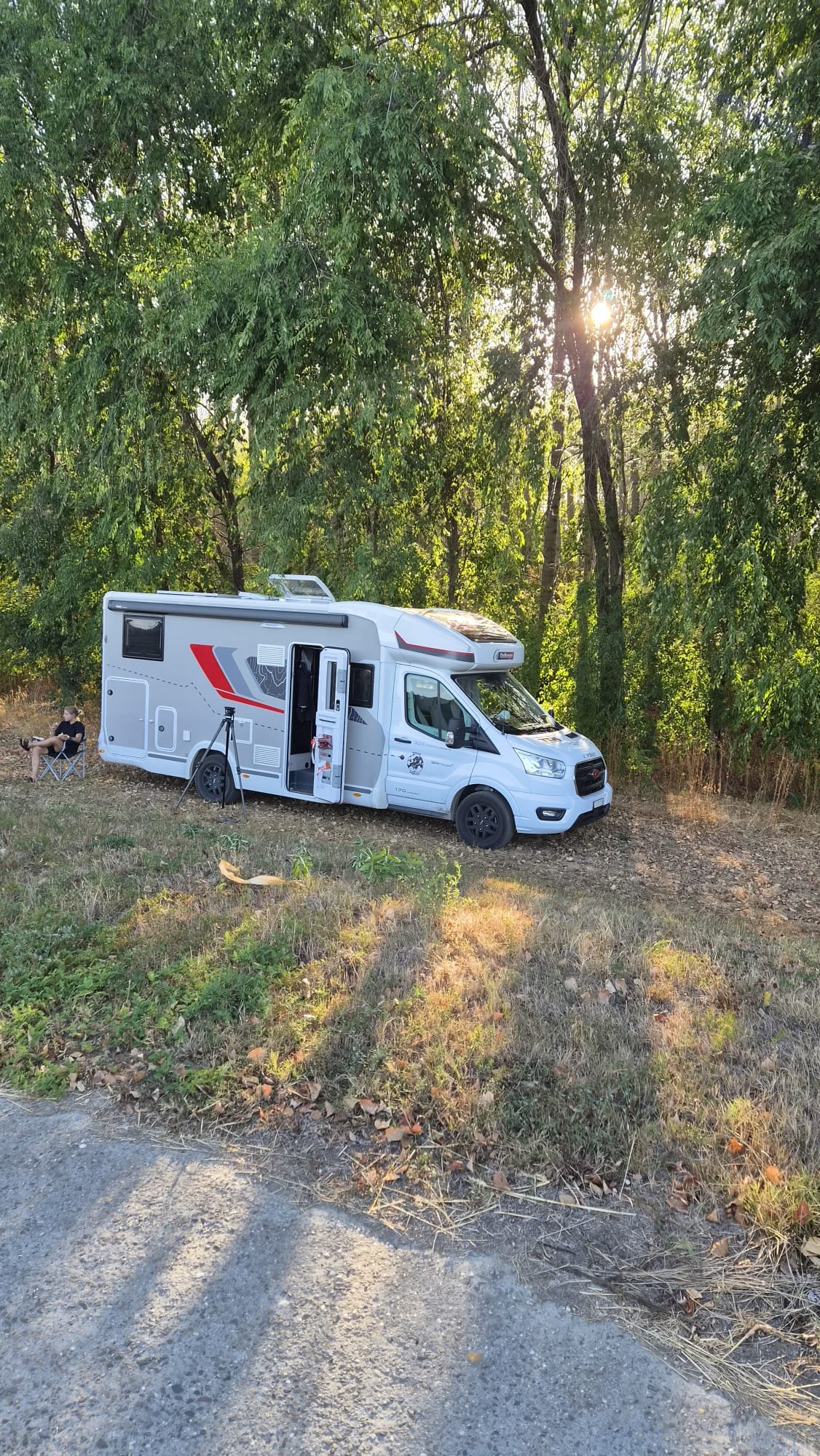
He finished the Via Alpina on 16 August. The Fastest Known Time listing gives 23 days 11 hours 42 minutes. The previous men's supported time on the route was 35 days 21 hours 4 minutes (Jake Catterall, 2024), so he was about 12 days faster. The overall record, set by Sophie Woods on 1 August 2026, while he was still on the route, was 28 days 17 hours 59 minutes. He took about five days off that.
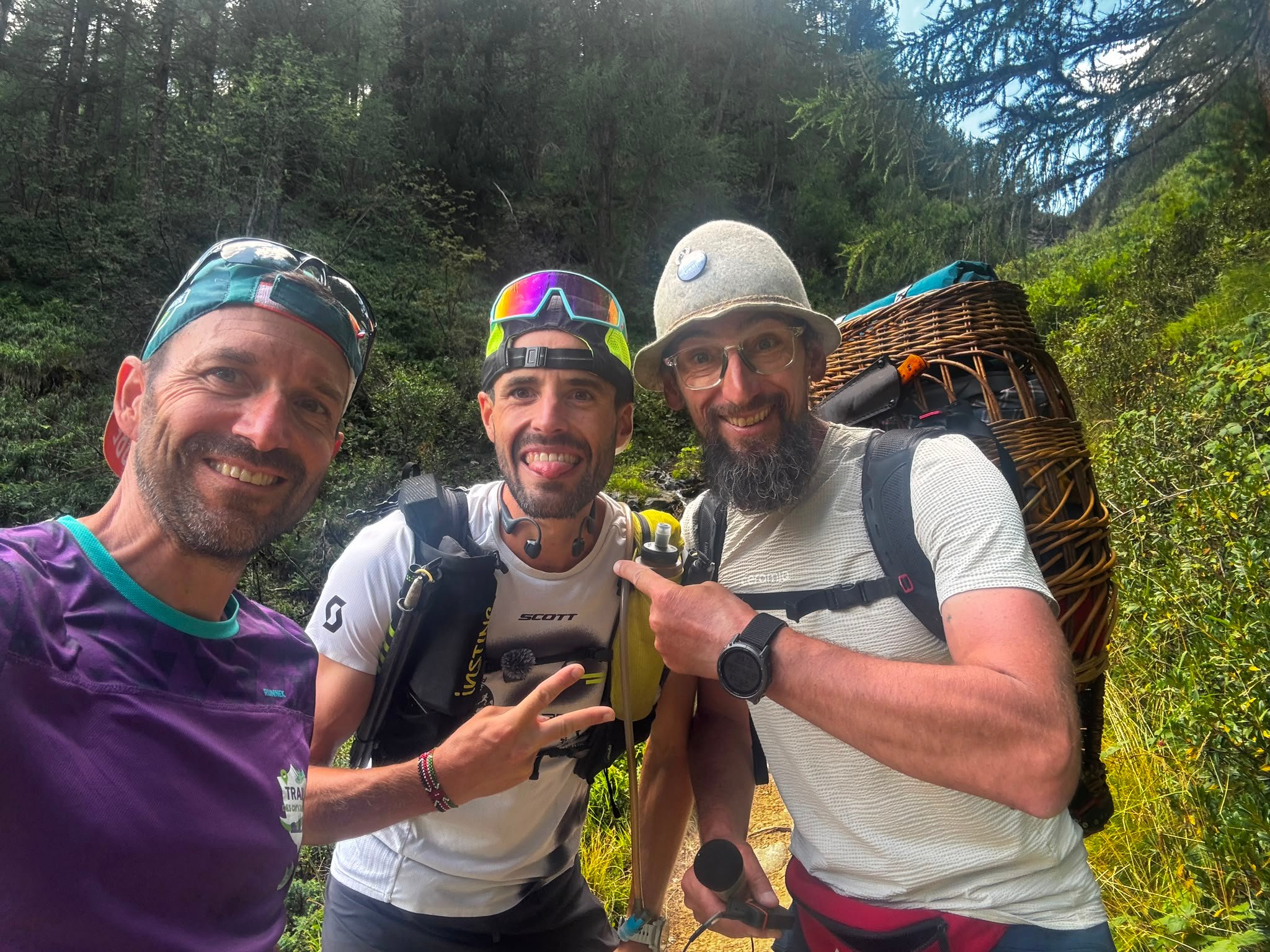
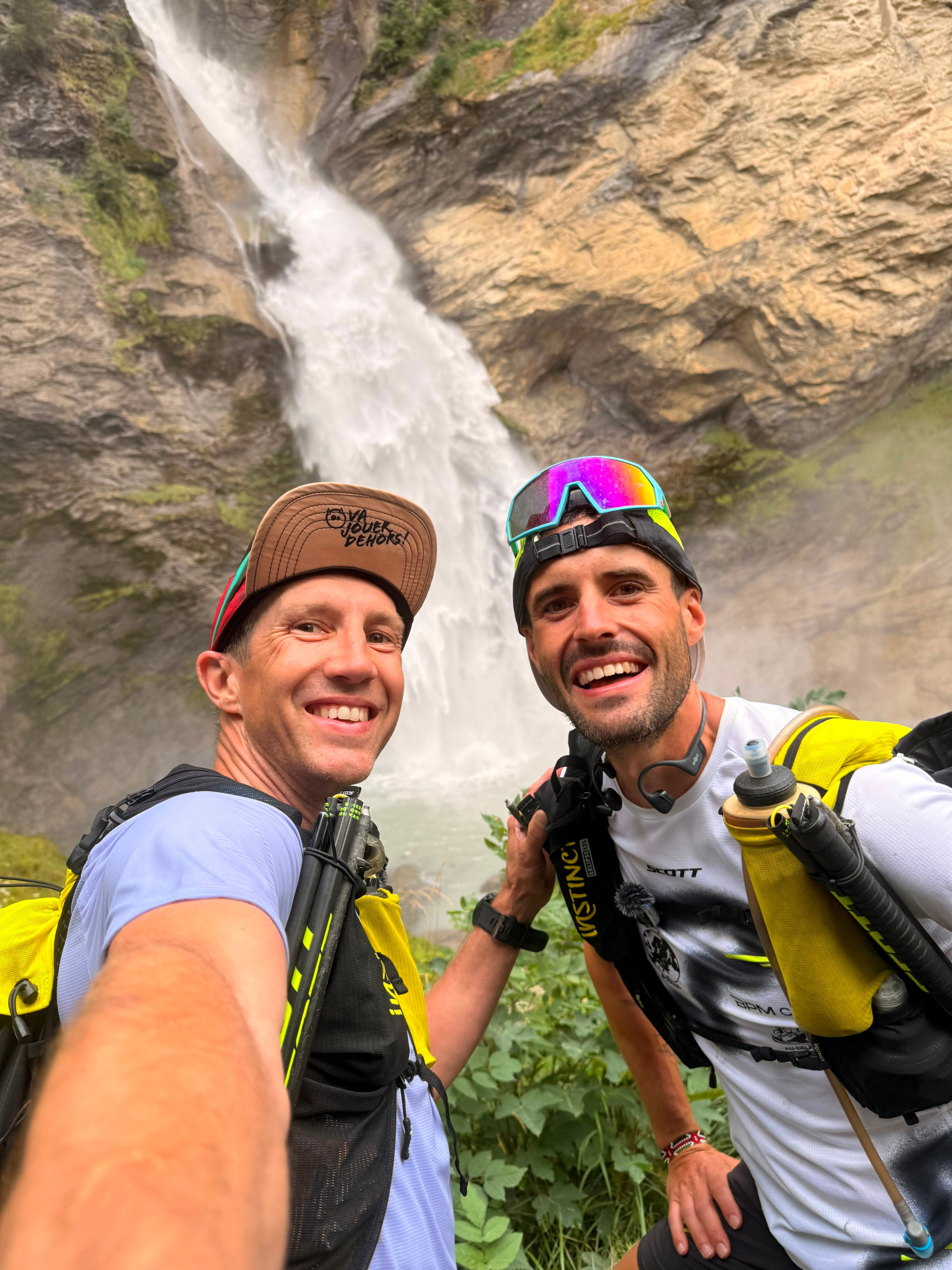
Hundreds of hours alone
For a man who had run alone for 29 years, the crossing offered hundreds more hours of it, sometimes 15 or 20 in a day. After all those hours, he says, his belief had not changed:
"I don't think we are on Earth simply to live our own little lives, accumulate as much money as possible and buy the most expensive things we can afford."
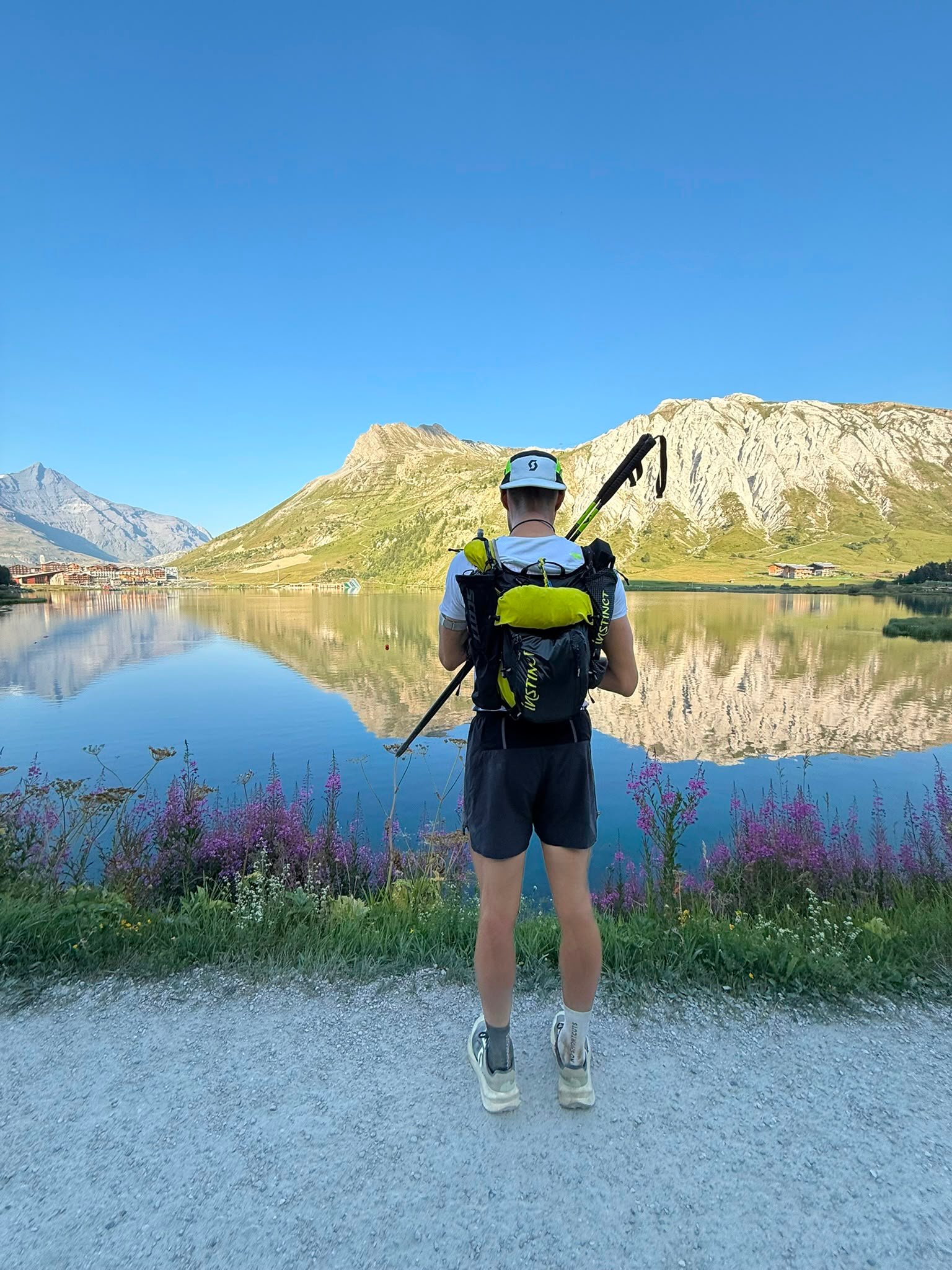
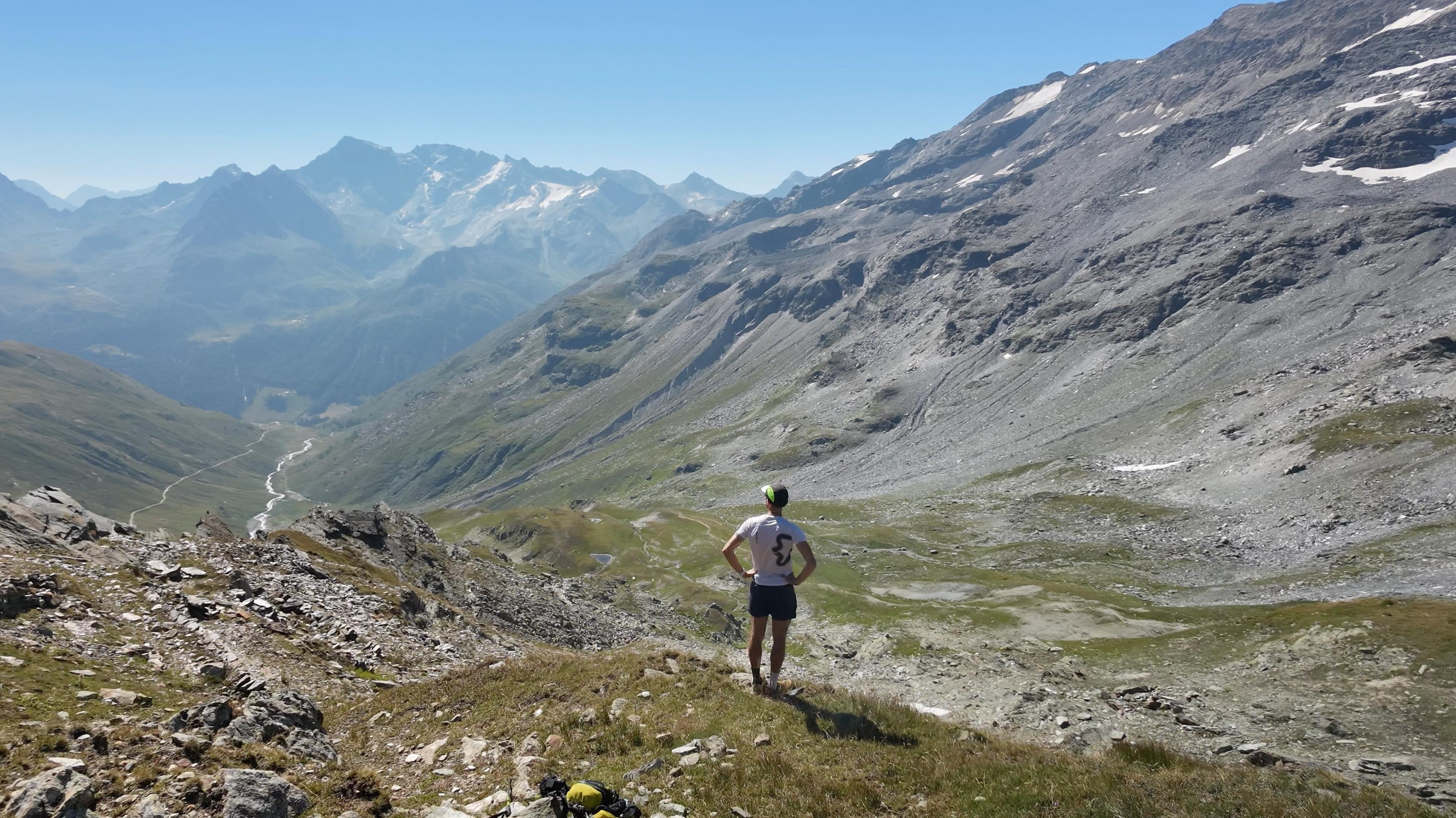
He knew the last part would be different from anything he had finished before. He knew it would be hard, he says, "physically, mentally and emotionally."
"I also knew that reaching Ukraine after crossing Europe would be very different from reaching the finish line of a normal race. I was entering a country at war and meeting people who have been living with this reality for years. Apart from that, I didn't really know what to expect."
He had fixed the arrival date from the start: 21 September, the UN International Day of Peace. It meant that being fast on the Via Alpina bought him nothing once the record was set. "It was no use arriving on the 15th," he says. He had built in ten reserve days, needed two after the Via Alpina, and spent most of the rest on shorter stages. When things got hard in the last weeks, he says, he reminded himself that "my hardship was temporary. I had chosen to be there, and after 60 days I could go home. People living through war don't have that choice."
Lviv
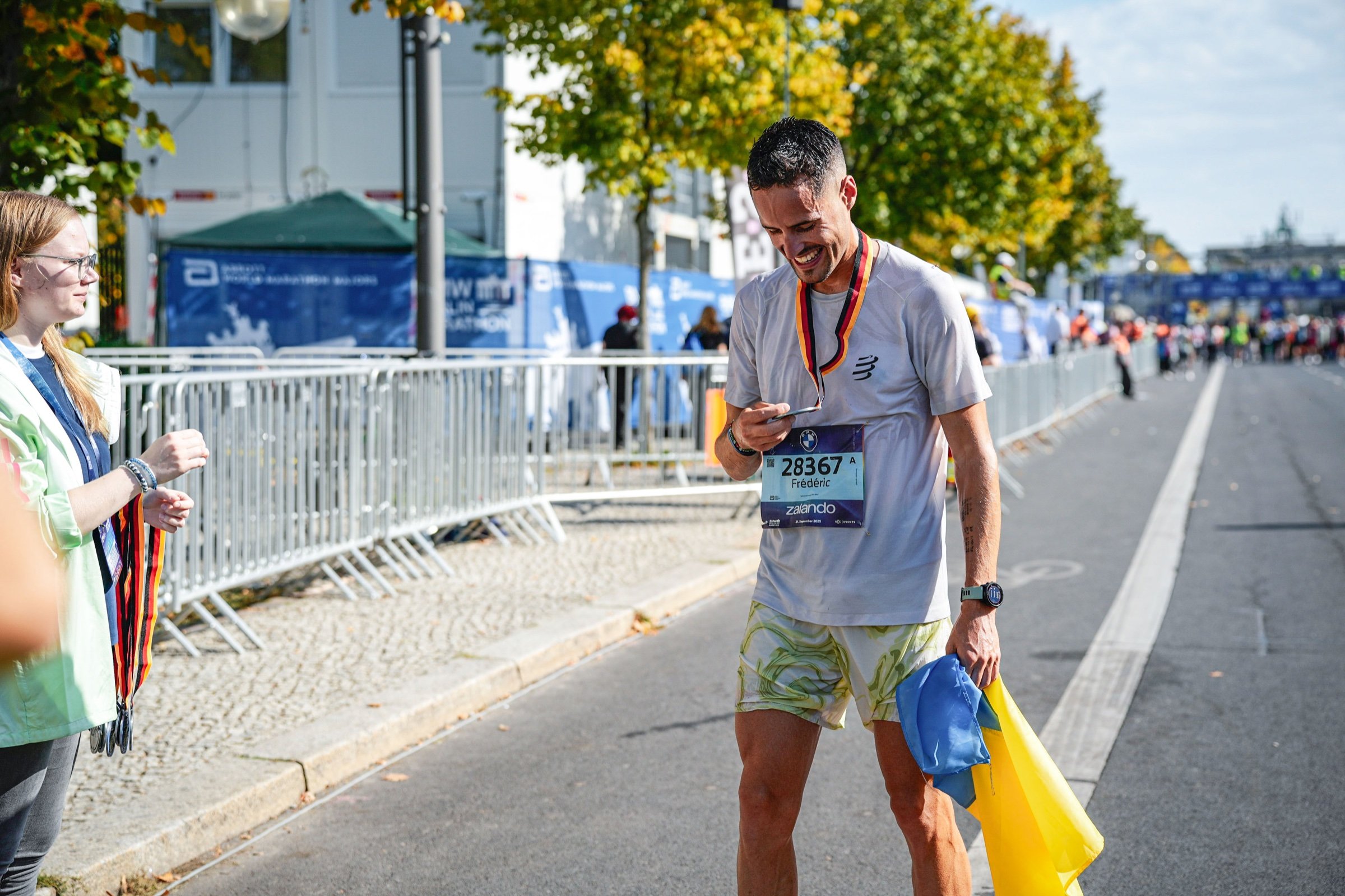
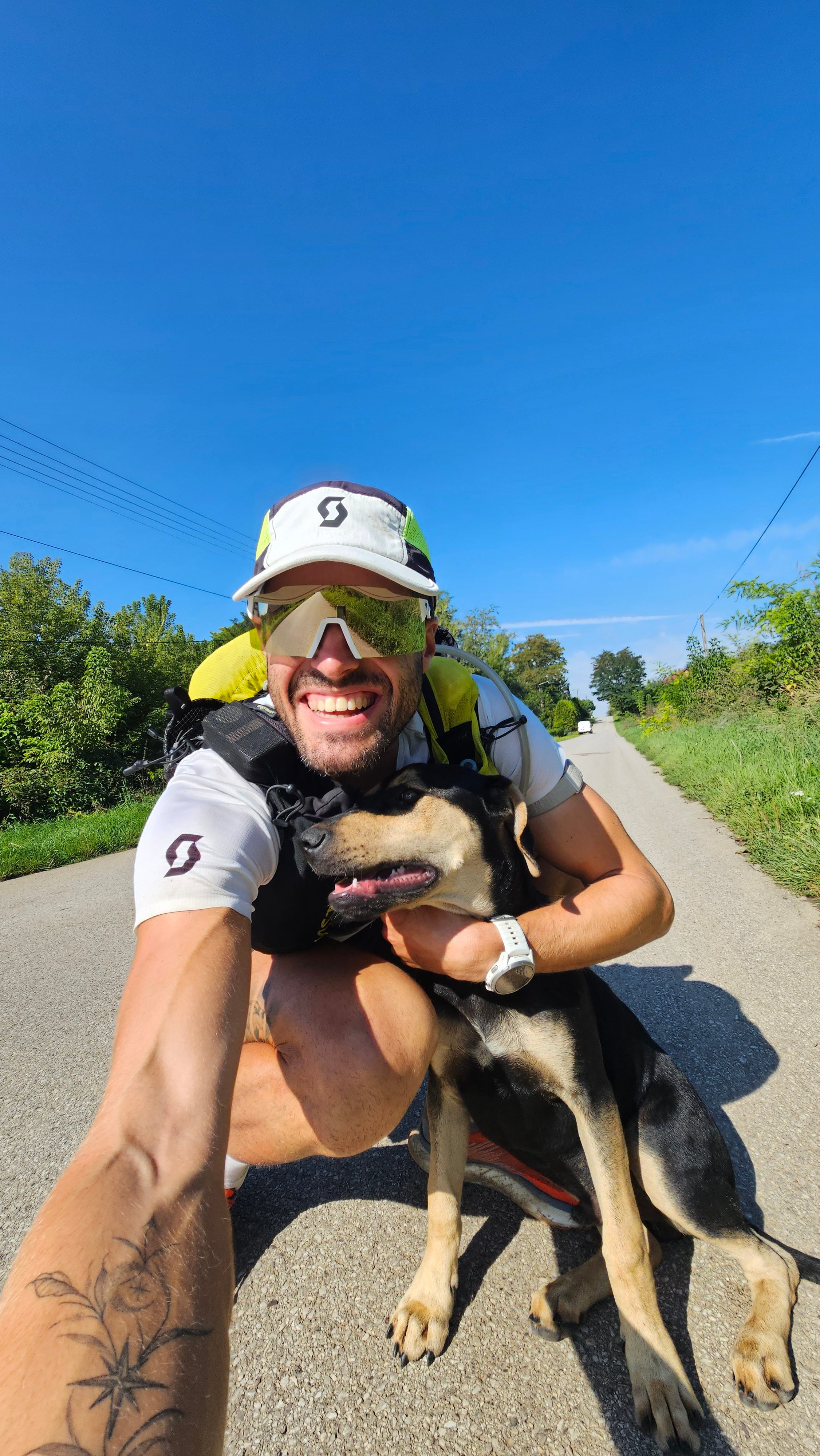
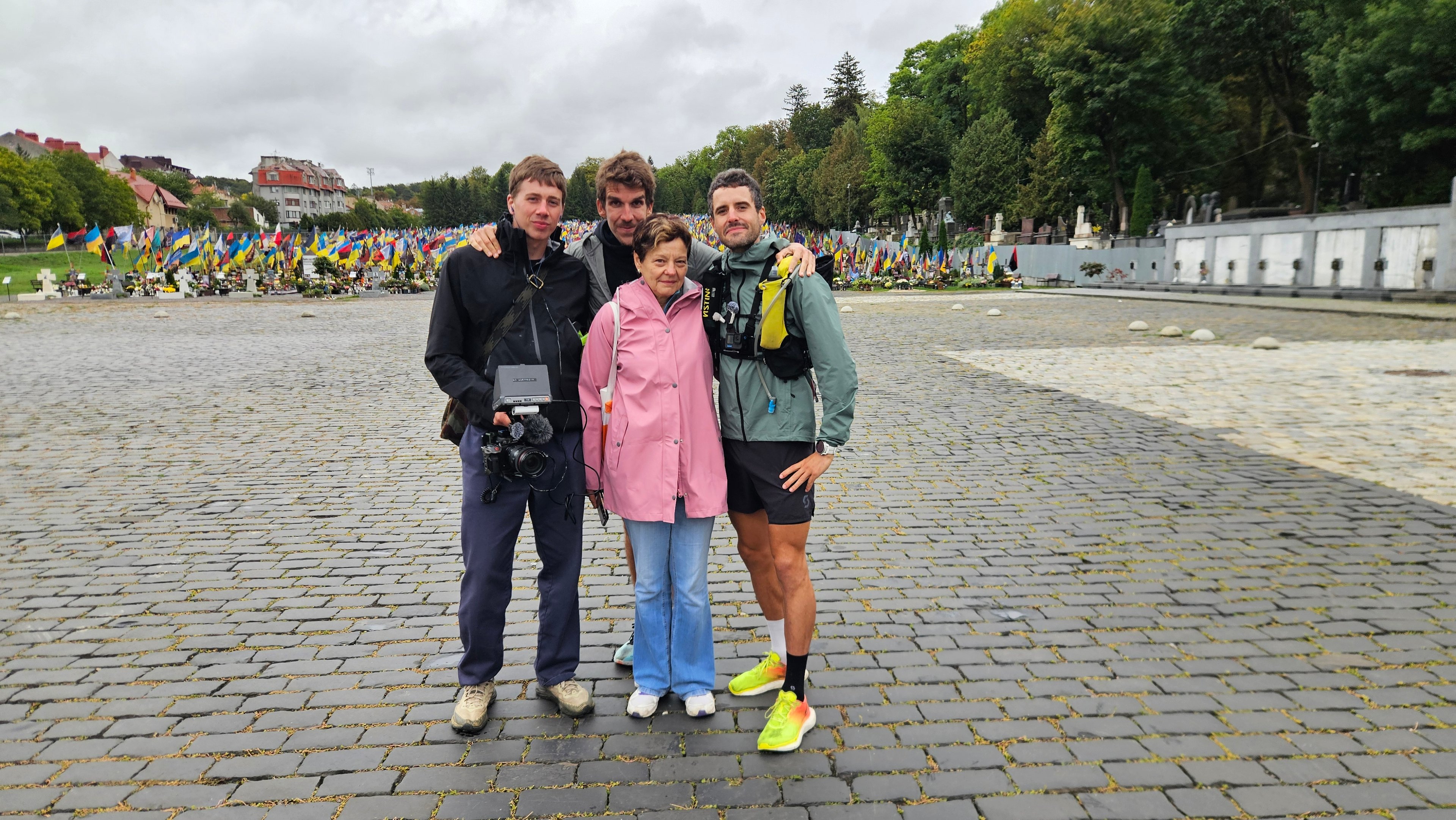
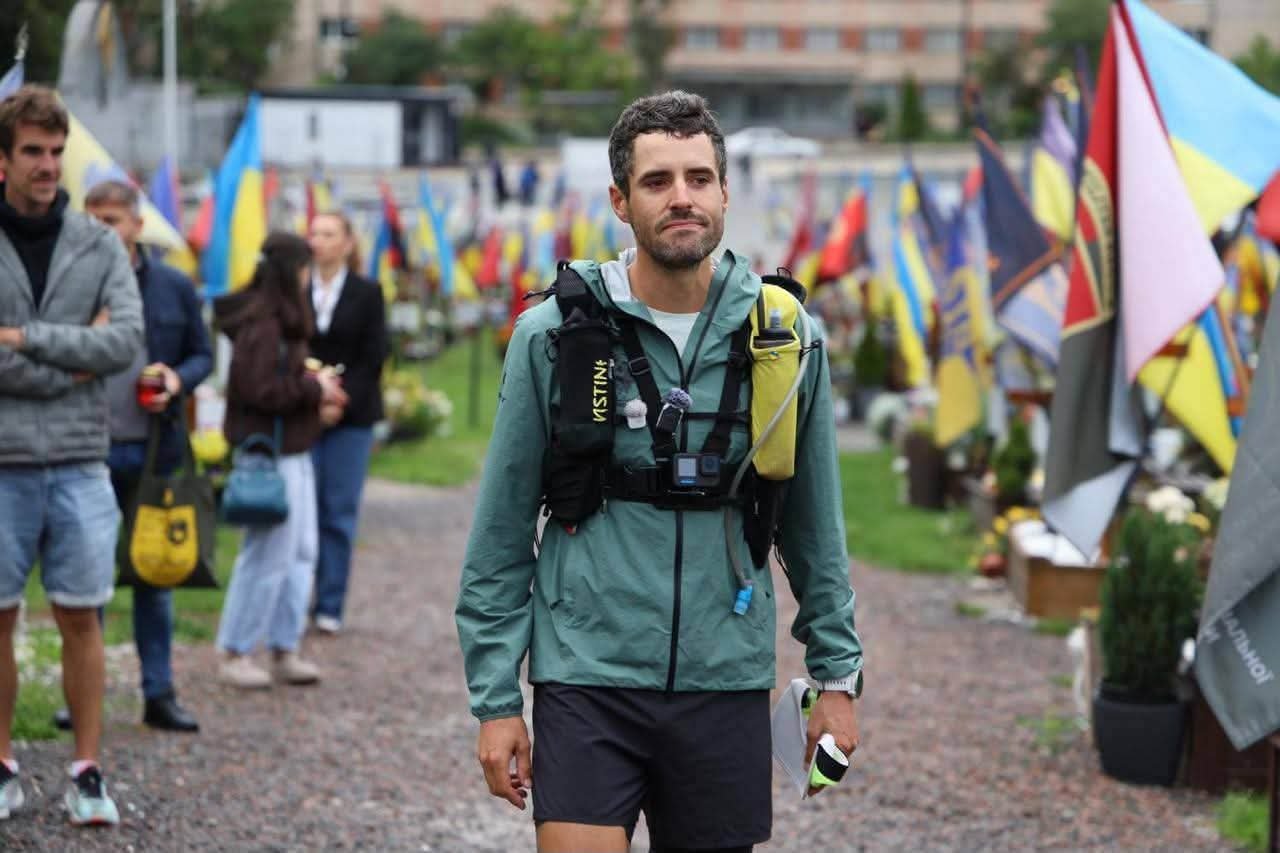
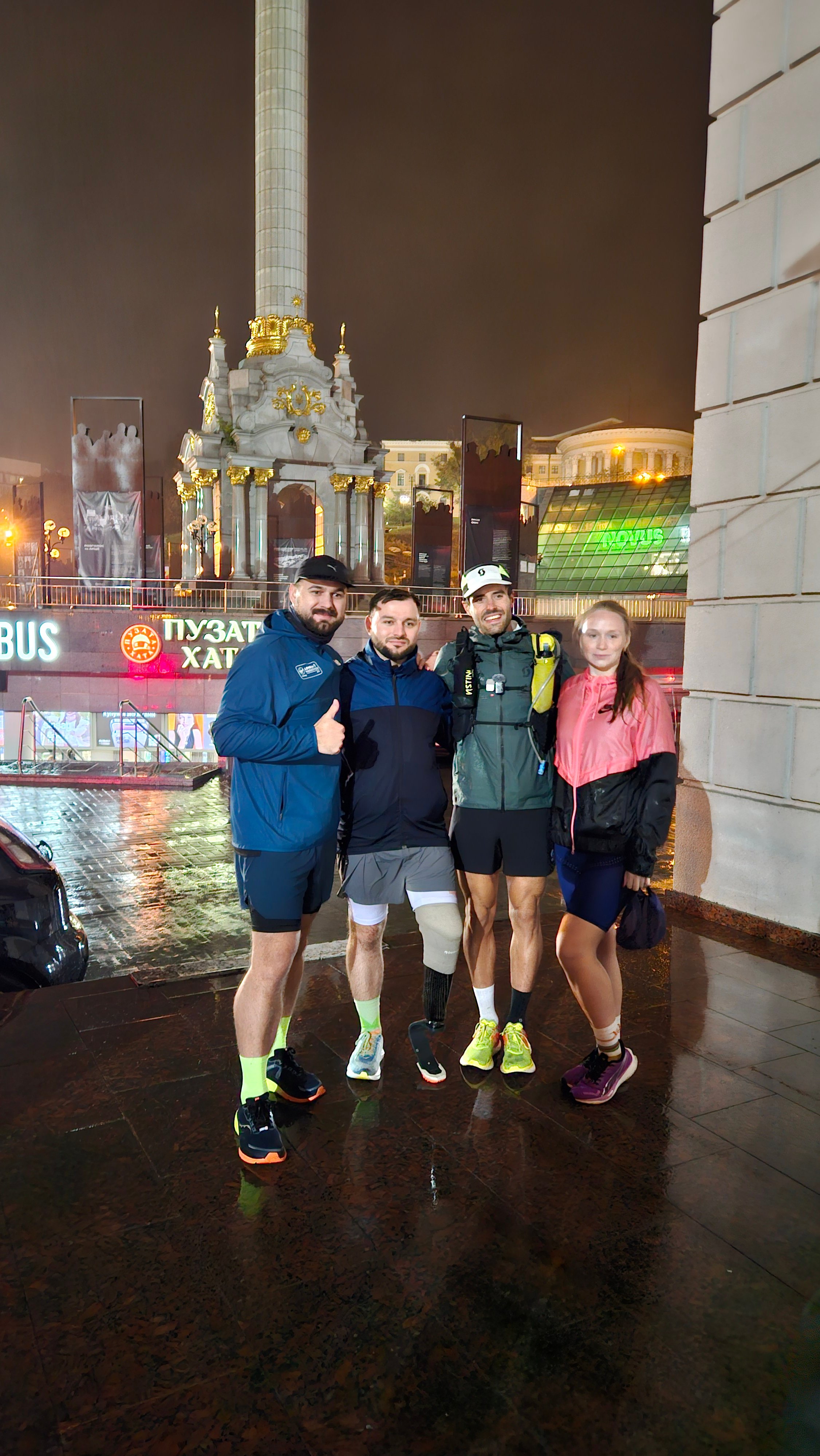
On the morning of 21 September he ran the last 10 to 15 kilometres. Local runners in Lviv, arranged in the week before, joined him for the closing kilometres, and Ukrainian media were there. They proposed finishing at a memorial, and the finish was a military cemetery in the city. "I wanted to arrive on 21 September and I managed to," he says. "But in fact I arrived at the cemetery and I saw the war, what it does." That evening, in Kyiv, he ran with three Ukrainian runners to Independence Square.
What stayed
The €140,000 target, roughly one euro for every metre of climbing, he reasoned, was 14,000 people giving 10 euros each. The money goes through his association Au-delà de l'Effort (Beyond Effort) to Swiss Solidarity, for people affected by the war.
He does not claim the crossing changed him.
"I'm not sure it fundamentally changed who I am. Maybe it confirmed some things I already believed. What affected me most were the people I met. Not only during the 60 days of the crossing, but also throughout the year of preparation beforehand."
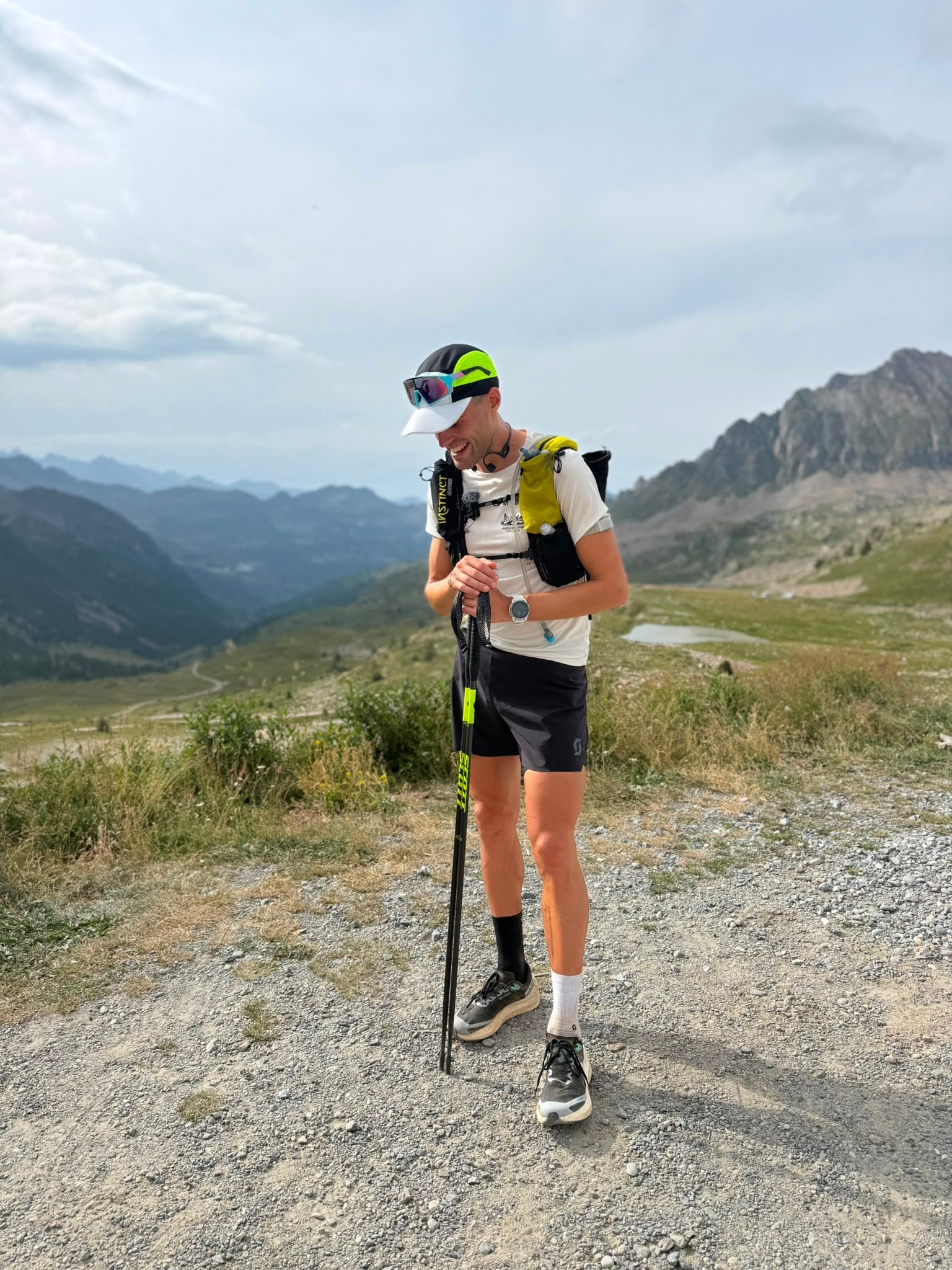
The association exists, he says, to use endurance challenges for causes that matter, and he thinks the idea works at any size. A marathon finisher has already accomplished something, he says, and "when you feel good yourself you can do it for others."
"Everyone has something they can offer. The challenge is discovering how to use it."
What comes next is a professional career: ultra-trail races on the UTMB circuit, which brands watch, with at least one effort a year given to a cause. Next year he would like to try for a world record in elevation gained in 24 and 48 hours. He does not know yet what ordinary life looks like. Asked to describe the whole project in three words, he chose distance, message and solidarity.
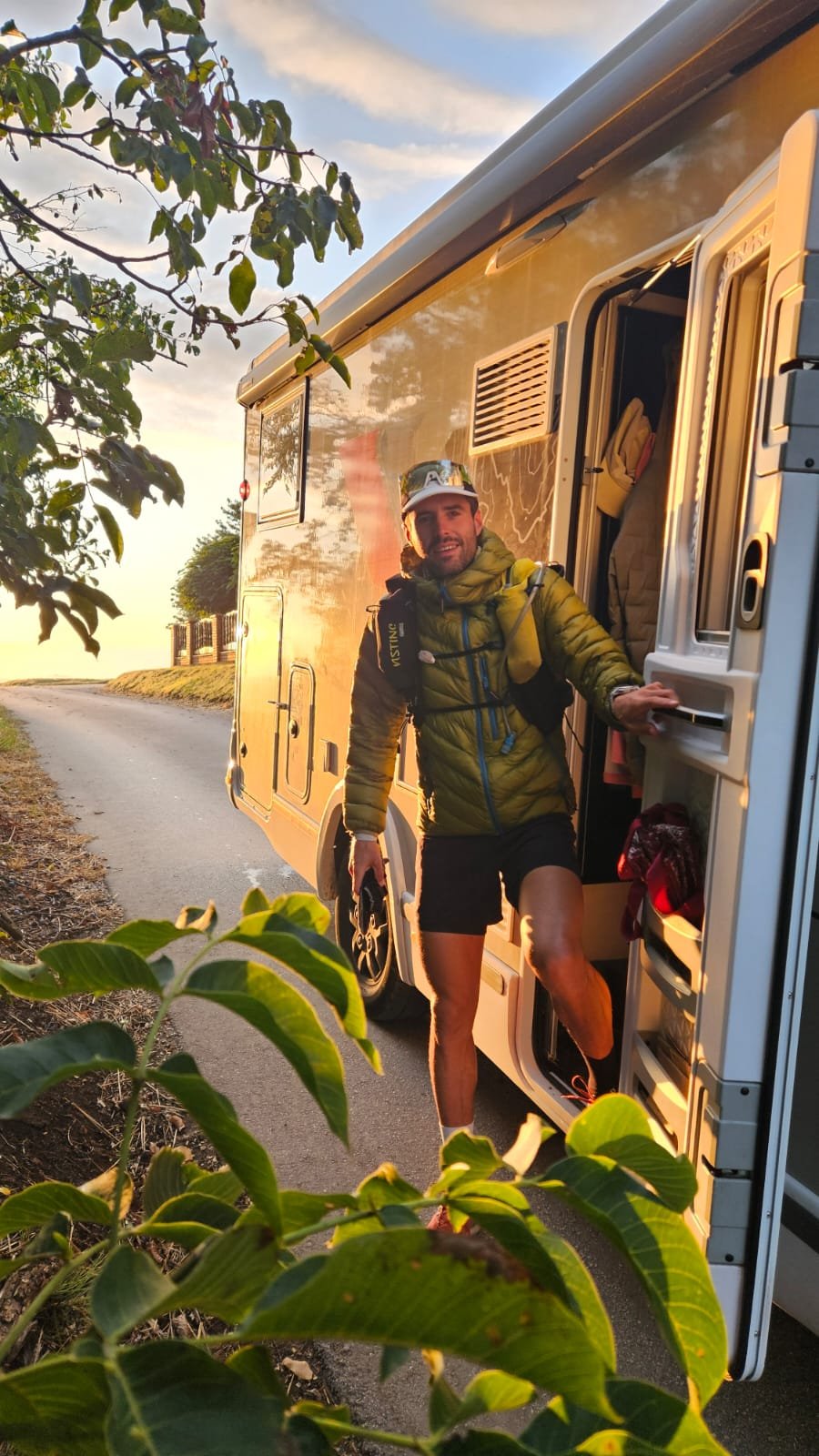
Connect with Frédéric Splendore here: Instagram
© 2026 Grit & Dust (Not a Normal Finish Line). Photos © 2026 Frédéric Splendore. All rights reserved. No part of this article or images may be reproduced, distributed, or transmitted in any form without prior written permission.